 Author's pick
Mid-range · ₹₹ (from ~1,900 INR/night)
Hotel C7
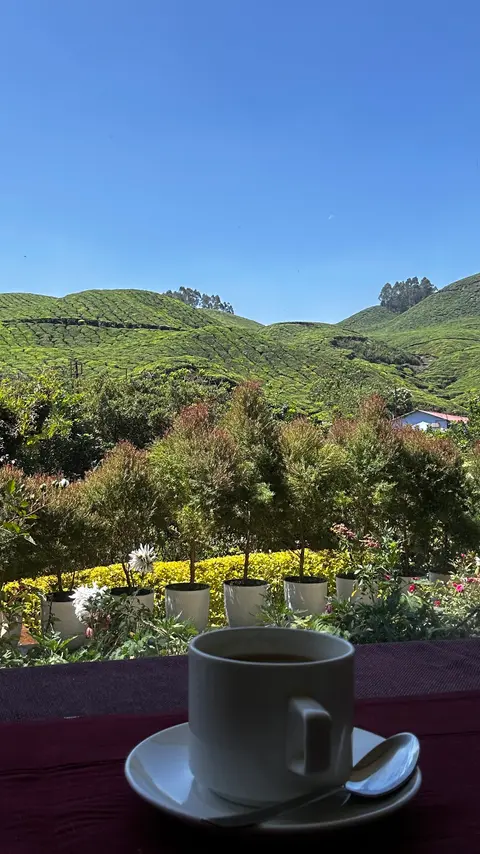
Clean, well-run mid-range hotel with a panoramic terrace restaurant
 1,600m elevation
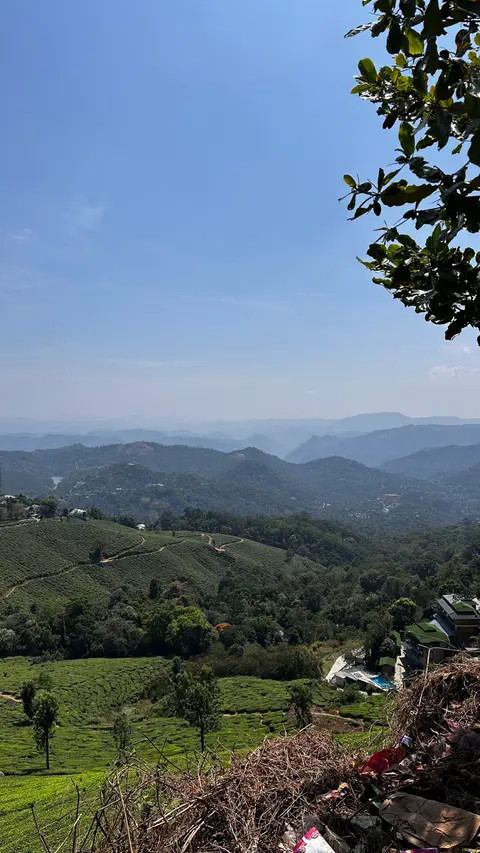
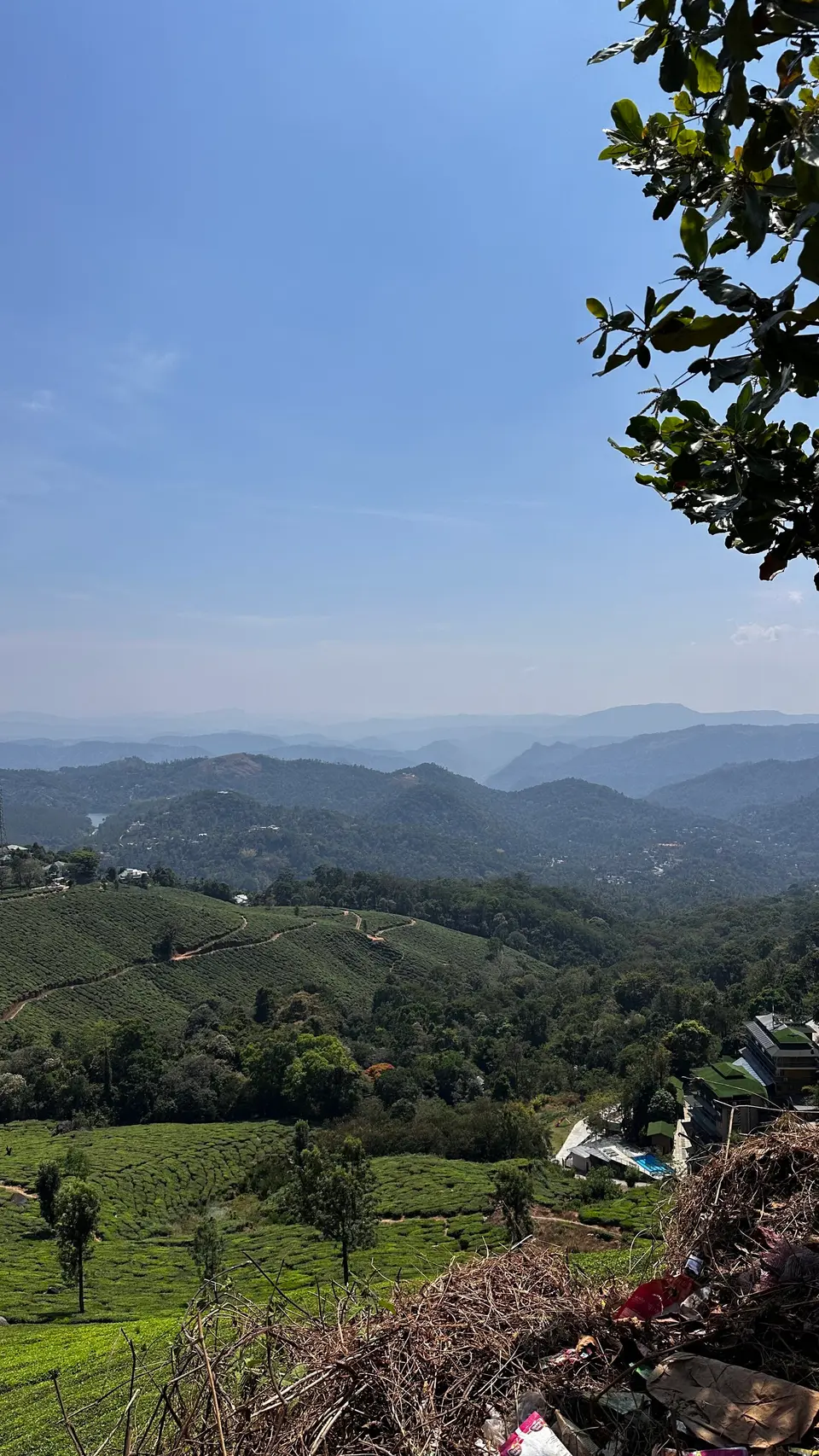
Munnar is Kerala's tea country: a small town at about 1,600 metres in the Western Ghats, ringed by estates planted from 1880 on. Its sights are strung along a few hill roads, so plan by direction: Eravikulam National Park and its Nilgiri tahr to the north, lakes and Top Station to the east, waterfalls to the south. Give it two or three days; December to February is the driest.
11 hand-picked stays from budget to luxury, the author's picks first.
Author's pickClean, well-run mid-range hotel with a panoramic terrace restaurant
Design-led backpacker hostel on terraced tea hills, with a stargazing glass cabin
Tea Estate Bungalows
Award-leaning 5-star boutique eco-retreat with pool villas above the valley

Full-service 5-star with valley-view rooms, pool and spa near Attukad
Cosy, spotless family homestay a short walk from Munnar town
Spacious valley-view rooms and generous buffets in Chithirapuram
Activity-packed hillside resort with strong value and big views
Pioneering 18-room planters' estate retreat in cardamom and tea country
Five-room boutique hideaway inside a working tea estate
Riverside homestay with Kerala home cooking and a private backyard
Ad · Affiliate links: if you book, we earn a commission at no extra cost to you.


Best time to visit Munnar · Munnar weather · How to reach Munnar · Munnar railway station · How to get around Munnar · Bike rental in Munnar · Is Munnar safe · Language spoken in Munnar · Munnar trip cost · Interesting facts about Munnar · Places to visit near Munnar
Animals in Munnar · Birds of Munnar · Trees of Munnar · Waterfalls near Munnar · Lakes in Munnar · Parks in Munnar · Viewpoints in Munnar
 26 places · the full map is in the app
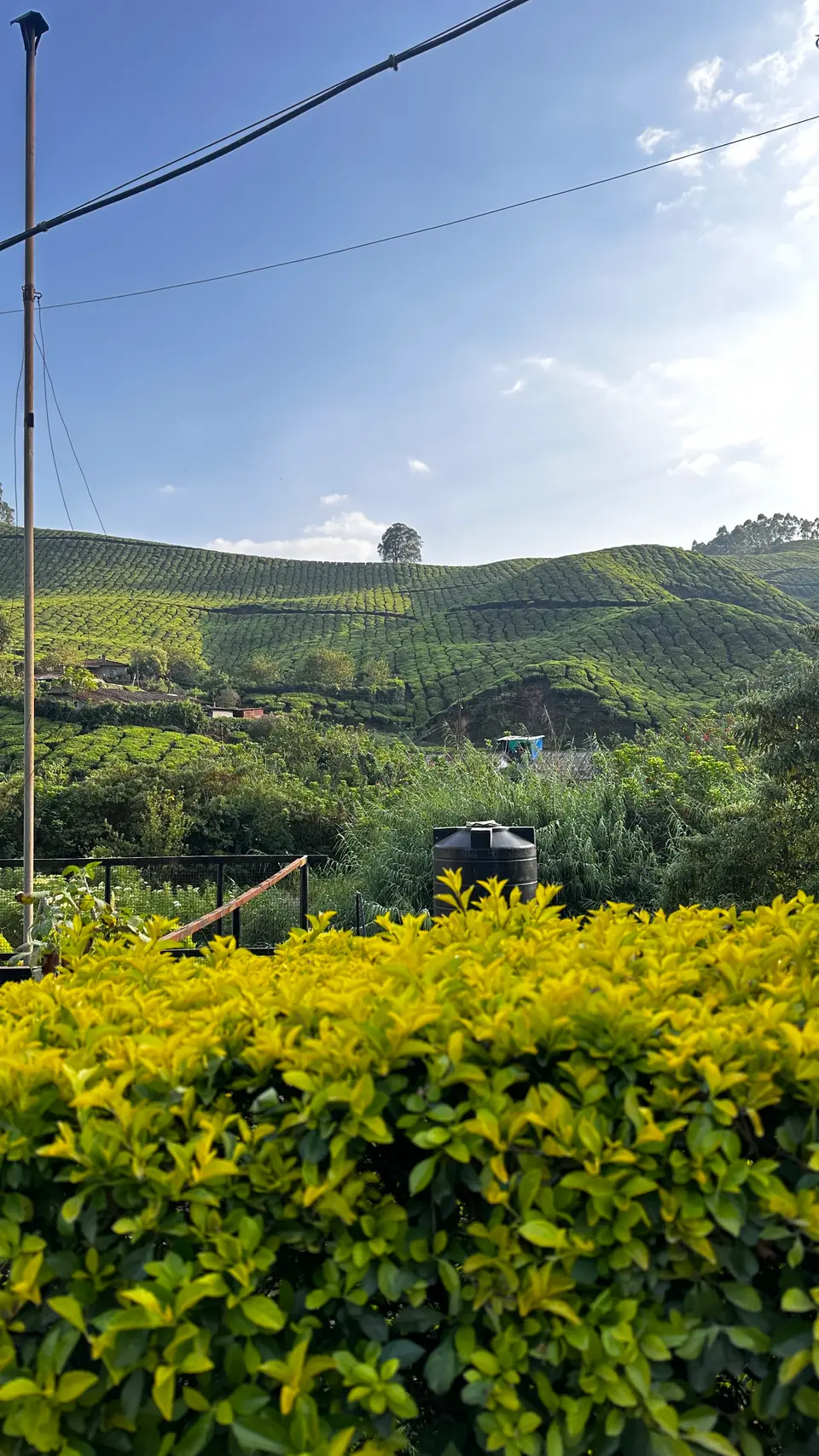
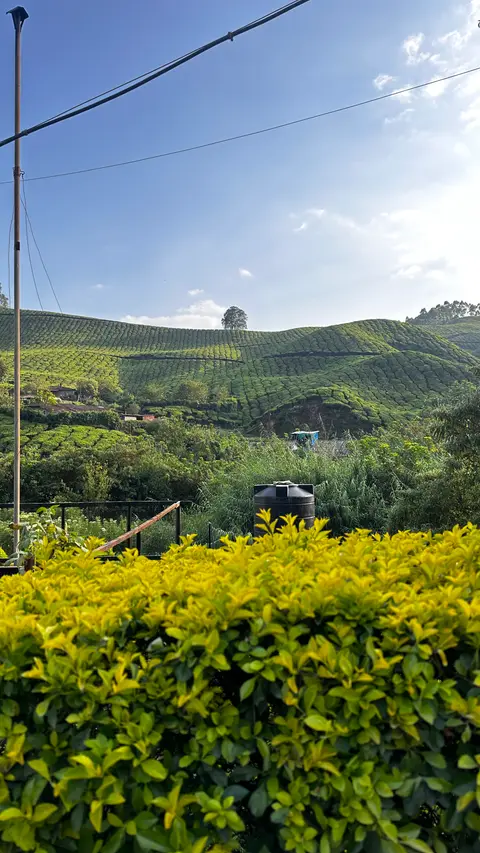
The town stands where three mountain streams meet, the Mudrapuzha, the Nallathanni and the Kundala, in Idukki district on the Tamil Nadu border. It was a summer resort for the British in South India, and tea gave it its look: J.D. Munro leased the Kannan Devan Hills in 1877, and after trials with other crops the first tea went in at Parvathy estate in 1880. About 24,000 hectares of plantations now cover the slopes, most of them run by Kanan Devan Hills Plantations (KDHP), a company owned largely by its workers. More on the history page.
The town itself, about 32,000 people, is a busy bazaar around a bus stand; the sights lie outside it. Malayalam and Tamil are both spoken, and English is enough in tourist places.
North, towards Marayoor
In and around town
East, the Top Station road
South and southeast
Evenings and walks
More routes on the day trips page.
One day is tight: the road up from Kochi alone takes about four hours each way. Choose one direction: Eravikulam in the morning or the Top Station road.
Two days: Eravikulam in the morning (entry closes at 14:00), the Tea Museum and the bazaar in the afternoon, Kathakali at Punarjani in the evening. On day two, Top Station early, then back past Kundala Lake, Echo Point and Mattupetty.
Three days or more: add a Kolukkumalai sunrise by jeep, a day to Marayoor and Chinnar, or the Meesapulimala trek. Day-by-day plans are on the how many days and itinerary pages.
At 1,600 m Munnar is cool all year, with days of 21–26°C. December to February is the clearest stretch: about 30 mm of rain in January and February (about 100 mm in December), nights down to 13–14°C, so pack a warm layer. March to May are the warmest months, with rain building from April. June to August is the monsoon, 320–430 mm a month, with landslides and full waterfalls. September to November are green but wet, October most of all at about 340 mm.
The neelakurinji turns the slopes blue once every twelve years, but the populations around Eravikulam and around Mattupetty and Meesapulimala bloom in different years, so ask locally. See also weather and best time to visit.
From Kochi by bus: KSRTC buses from Ernakulam: 130 km, about 4 to 4.5 hours, about ₹130–190. Departures run from around 2:00 to 10:20.
By taxi from Kochi airport (COK): about 110 km of hill road, 3.5 to 4.5 hours, about ₹2,500–4,000; easiest with luggage or children.
By train: no trains run to Munnar. The nearest stations are Aluva and Angamaly, then about four hours by road. See the railway station page.
Around Munnar: the sights on each road are too far apart to walk. A car with driver costs about ₹1,500–3,000 a day, a rickshaw about ₹1,000–1,500. Local buses are rare, and scooters suit only riders used to hill roads. More on getting around, bike rental and how to get there.
Only for a short taste: the drive from Kochi takes about four hours each way. Two days cover Eravikulam, the Tea Museum and the Top Station road.
No. Munnar is a hill town in Idukki district, Kerala's mountain district on the border with Tamil Nadu.
Tea estates on steep hills, Eravikulam National Park with the Nilgiri tahr, and the neelakurinji, which turns the slopes blue once every twelve years.
About 130 km from Ernakulam, 4 to 4.5 hours by bus, or about 110 km and 3.5 to 4.5 hours by taxi from Kochi airport.
No passenger trains run to Munnar; the old Kundala Valley tea railway was destroyed in the 1924 flood. The nearest stations are Aluva and Angamaly, about four hours away by road.
Facts checked: 15 October 2026. Prices and hours are approximate; check locally.
Ad · affiliate links: if you book, we earn a commission at no extra cost to you.
Sightseeing, food and walking tours with free cancellation from our partners.
The full catalogue, hidden spots and districts on the map, plus “nearby” mode.
Open in India GO
35 cities, one map with every place, the festival calendar, the 90/180 visa calculator and offline mode.