 India GO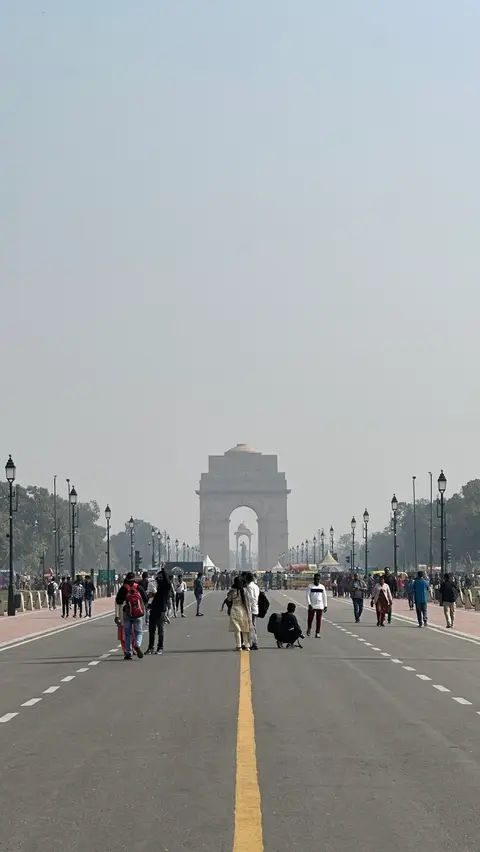
Places to visit in Delhi
 3 UNESCO sites👑 8 historical capitals
Delhi is eight capitals stacked on one plain, and you can walk between them: a 12th-century victory tower, the Mughal tomb that taught the Taj its shape, the avenues of colonial New Delhi and the spice lanes of Chandni Chowk. Give it two full days and it stops being just an airport. Come in October or from February to March, when the air is dry and cool, and travel across town by metro.
Highlights

What to see 68








Everything about Delhi
 Practical
Best time to visit Delhi · Delhi weather · How to reach Delhi · Delhi airport to city · Delhi railway station · How to get around Delhi · Delhi metro · Bike rental in Delhi · Is Delhi safe · Language spoken in Delhi · Delhi trip cost · Interesting facts about Delhi · Places to visit near Delhi · Coworking in Delhi
 Food
Food
What to eat in Delhi · Where to eat in Delhi · Street food in Delhi · Famous sweets of Delhi · Vegetarian restaurants in Delhi · Best coffee shops in Delhi · Breakfast places in Delhi · Rooftop restaurants in Delhi · Delhi nightlife · Best thali in Delhi · Fine dining in Delhi
 Sights
Free places to visit in Delhi · Hidden gems in Delhi · Instagrammable places in Delhi · Sunset point in Delhi · Museums in Delhi · Forts in Delhi · Unesco sites in Delhi · Things to do in Delhi at night
 Nature
Animals in Delhi · Birds of Delhi · Trees of Delhi · Butterflies of Delhi · Zoo in Delhi · Parks in Delhi
 Spiritual practices
 Experiences
Workshops in Delhi · Cooking class in Delhi · Safari near Delhi · Cultural show in Delhi · Walking tour Delhi · Boat ride Delhi
 Where to stay
Where to stay in Delhi · Budget hotels in Delhi · Luxury hotels in Delhi · Boutique hotels in Delhi
 Shopping
 Festivals
On the map
 68 places · the full map is in the app
What Delhi is like for a traveller
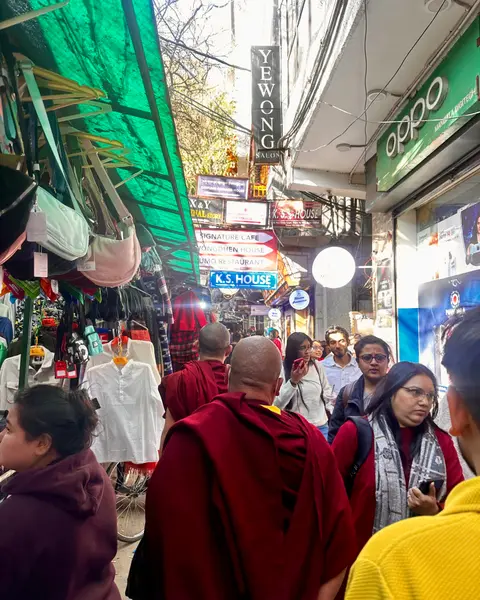
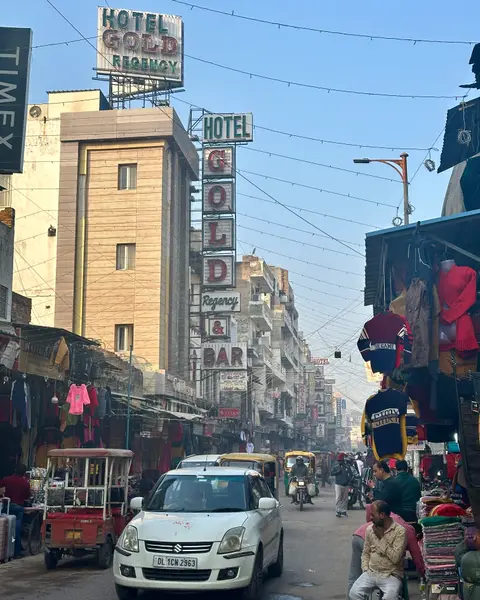
Most trips to North India start here, and many people make the mistake of leaving the next morning. Delhi is loud, huge (almost 34 million people in the metro area) and not built for walking from one district to another: pavements double as parking and crossings are rare. But whole quarters open up on foot. Old Delhi smells of cardamom, frying jalebi and diesel; Lodhi Garden at dawn is quiet enough to hear the birds over the tombs; Mehrauli hides a thousand years of ruins in a forest beside the Qutub.
Hindi is the city language, with Punjabi and Urdu close behind, and English is enough in tourist places. The rhythm that works: one area per day, the metro between them, e-rickshaws for the last stretch.
Top places to visit in Delhi
Old Delhi
- [Red Fort](/en/delhi/red-fort/): the 17th-century Mughal fortress and a UNESCO site. The interior is rather empty; the walls are best felt on an evening walk round the outside.
- [Jama Masjid](/en/delhi/jama-masjid/): Shah Jahan's mosque of 1656, the largest in India, with a minaret you can climb for the view over Old Delhi. It closes to sightseers around midday prayers.
- [Chandni Chowk](/en/delhi/chandni-chowk/): the old bazaar, worth it less for shopping than for the street food and the crush. At its western end, [Khari Baoli](/en/delhi/khari-baoli-spice-market/) is Asia's largest wholesale spice market.
- [Gurudwara Sis Ganj Sahib](/en/delhi/gurudwara-sis-ganj-sahib/) and [Ghalib ki Haveli](/en/delhi/ghalib-ki-haveli/): the place where the ninth Sikh Guru was executed in 1675, and the courtyard house where the poet Mirza Ghalib spent his last years.
New Delhi
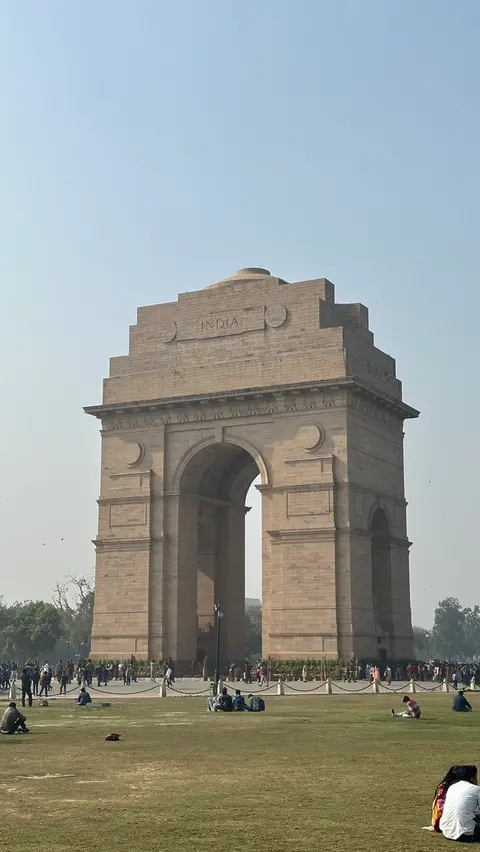
- [India Gate](/en/delhi/india-gate/) and [Rashtrapati Bhavan](/en/delhi/rashtrapati-bhavan/): the memorial arch where families picnic in the evening, and Lutyens' presidential palace of 1929, seen inside only on pre-booked tours.
- [Gurudwara Bangla Sahib](/en/delhi/gurudwara-bangla-sahib/): kirtan (devotional singing) almost without pause, a marble tank and a free kitchen open to anyone.
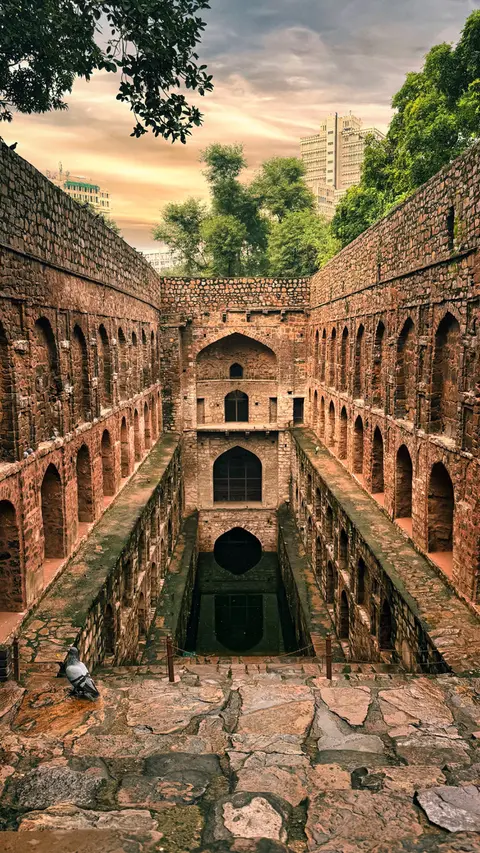
- [Jantar Mantar](/en/delhi/jantar-mantar/) and [Agrasen ki Baoli](/en/delhi/agrasen-ki-baoli/): Jai Singh II's stone observatory of 1724 and a free 14th-century stepwell, both a short walk from Connaught Place.
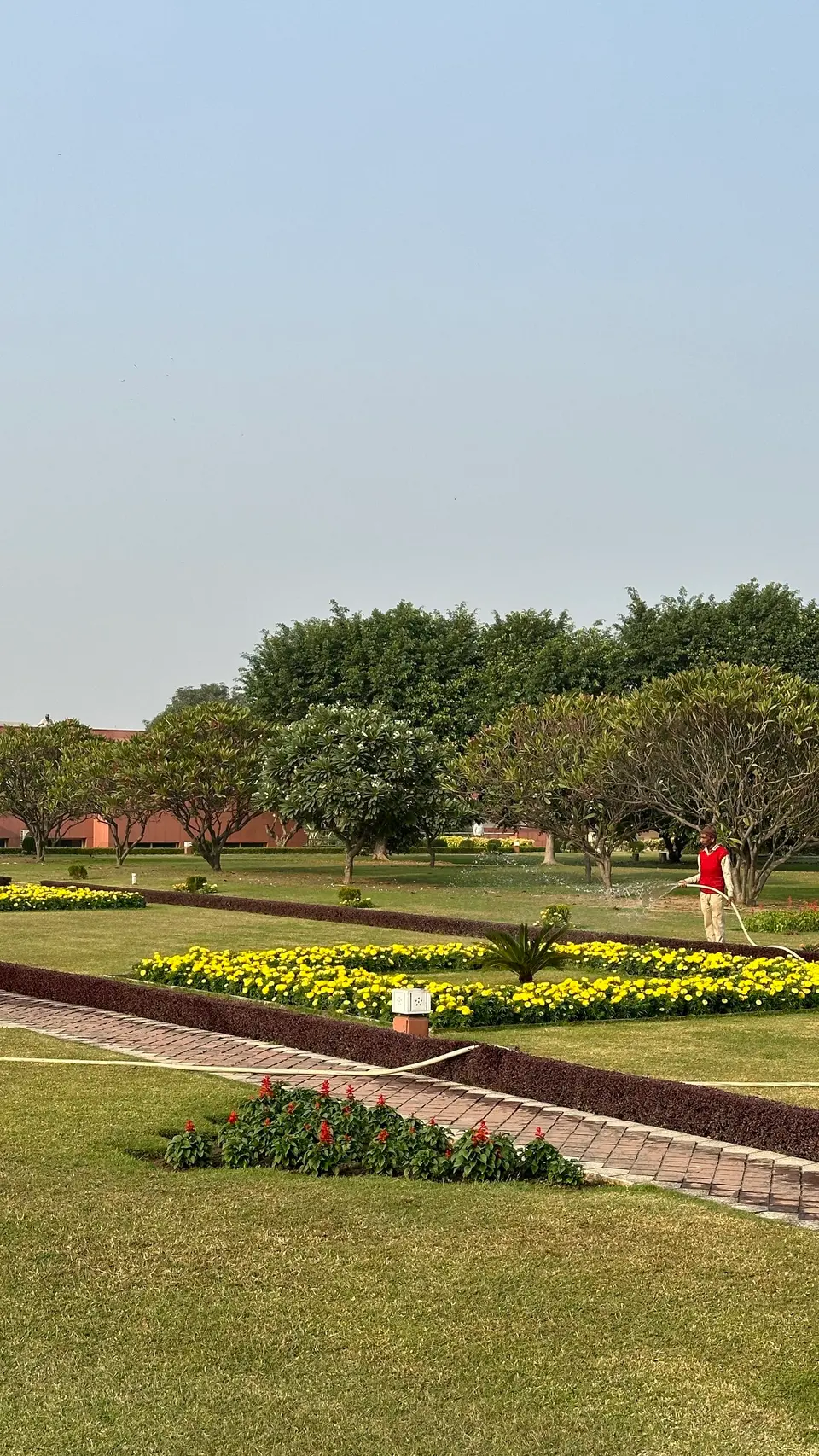
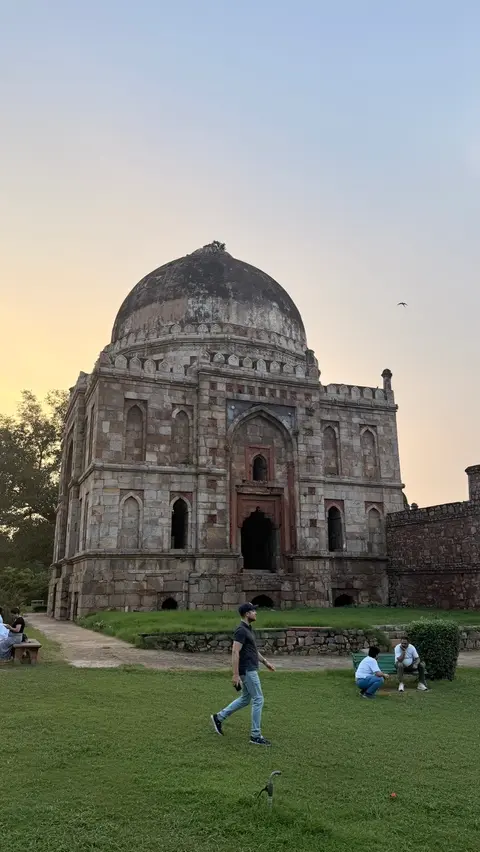
- [Lodhi Garden](/en/delhi/lodhi-garden/) and [Sunder Nursery](/en/delhi/sunder-nursery/): tombs inside a park, best early in the morning; Sunder Nursery sits right next to Humayun's Tomb, which makes a half-day walk.
South Delhi
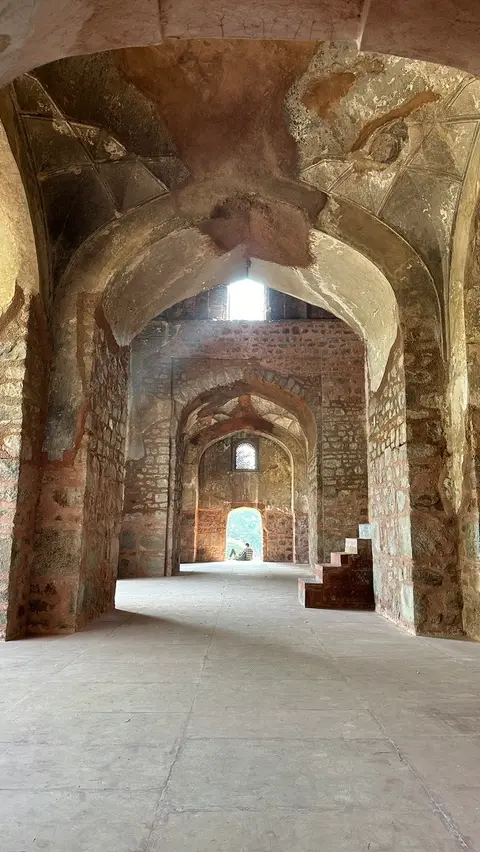
- [Qutub Minar](/en/delhi/qutub-minar/): a 73-metre tower of red sandstone begun around 1199, with the Iron Pillar at its base. The [Mehrauli Archaeological Park](/en/delhi/mehrauli-archaeological-park/) beside it holds more than a hundred monuments and is free.
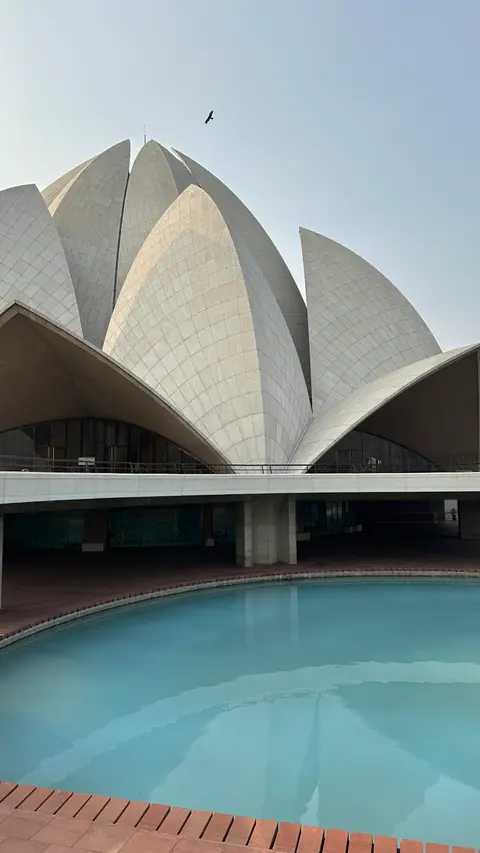
- [Lotus Temple](/en/delhi/lotus-temple/): the Bahai house of worship, a silent hall open to all faiths.
- [Akshardham](/en/delhi/akshardham-temple/): a hand-carved Swaminarayan temple complex with an evening water show. Phones and electronics stay in the locker, so allow three to five hours.
- [Purana Qila](/en/delhi/purana-qila/) and [Tughlaqabad Fort](/en/delhi/tughlaqabad-fort/): a 16th-century fortress beside the zoo, and six kilometres of 14th-century walls where the grass has taken over.
How many days to spend in Delhi
One day: pick a side. Old Delhi in the morning (Red Fort from outside, Jama Masjid, Chandni Chowk), then Humayun's Tomb with Sunder Nursery and Lodhi Garden in the late light.
Two days: add a south Delhi day: Qutub Minar and Mehrauli in the morning, the Lotus Temple or Akshardham in the afternoon. This is the minimum the city deserves.
Three days or more: time for New Delhi on foot around Connaught Place and India Gate, a museum or two, Thursday qawwali at Nizamuddin Dargah, and the Okhla wetlands in winter.
Best time to visit Delhi
The best months are October and February to March: dry, with days around 24–33°C. November to January is cool (nights down to 8°C) but brings smog, with AQI that can pass 450, and winter fog that delays flights and trains. May and June are the months to avoid, with heatwaves of 45°C and more. July to September is the monsoon, wettest in August at around 227 mm. Month-by-month figures are on the [weather page](/en/delhi/weather/).
How to get to Delhi and around it
By air: Indira Gandhi International (DEL) is the main gateway to northern India, 16 km from the centre. T3 handles international and part of the domestic flights, T1 the low-cost carriers. From T3 the Airport Express metro reaches New Delhi station in about 20 minutes for about ₹65, running 04:45–23:30. The prepaid taxi counter of the Delhi Traffic Police (between gates 5 and 6 at T3) costs about ₹500–900, paid at the end of the ride.
By train: four main stations, New Delhi (NDLS), Old Delhi (DLI), Hazrat Nizamuddin (NZM), where the Agra trains start, and Anand Vihar (ANVT). Agra is about 1 h 40 min by Gatimaan or Vande Bharat, Jaipur about 3 h 40 min.
By bus: ISBT Kashmere Gate in the north, Sarai Kale Khan in the south for Agra and Rajasthan, and Anand Vihar in the east.
Around the city: the metro, with more than ten lines, runs roughly 05:30–23:30, and fares are about ₹11–64. A tourist card costs about ₹200 for one day or ₹500 for three. Book autos in an app, since drivers quote visitors their own price; in Old Delhi, e-rickshaws cover the hop from the metro exit for about ₹20–50. More on the pages about [getting here](/en/delhi/how-to-get-there/) and [getting around](/en/delhi/getting-around/).
✅ Practical tips
- Never take a cab off the street — Street-hailed taxis ask 3–10 times the fair price. Use an app or the prepaid counter, where the fare is printed on a slip and paid on arrival.
- The women's metro coach is the first one — It is always the first coach in the direction of travel, marked in pink on the platform.
- The metro sleeps before you do — Last trains run around 23:30 and the Airport Express starts at 04:45, so a very early flight means a taxi.
- Check the air in winter — From November to January, smog can turn a sightseeing day into a headache. Plan outdoor sights for the clearer hours and keep indoor museums as a fallback.
- Dress for mosques, temples and gurudwaras — Modest dress and shoes off at the gate. Gurudwaras also ask you to cover your head. See the [temple dress code page](/en/delhi/temple-dress-code/).
❓ FAQ
What is Delhi famous for, and what is a must-see?
It is India's capital and eight historical capitals on one plain, with three UNESCO sites. The must-sees are the Red Fort, Jama Masjid and Chandni Chowk in Old Delhi, Humayun's Tomb and Lodhi Garden in the centre, and Qutub Minar with Mehrauli in the south.
How many days do I need in Delhi?
Two full days cover Old Delhi, the centre and the south. Three give you time for New Delhi on foot, museums and an evening of qawwali at Nizamuddin.
When is the best time to visit Delhi?
October and February to March are dry and cool. Avoid May and June, when heat passes 45°C, and expect smog from November to January.
How do I get from Delhi airport to the city?
From T3, the Airport Express metro reaches New Delhi station in about 20 minutes for about ₹65. A prepaid taxi costs about ₹500–900, and Uber or Ola about ₹400–700.
Where can I go in Delhi for fun?
Eat your way through Chandni Chowk, join Thursday qawwali at Nizamuddin Dargah (free and open to every faith), help in the langar kitchen at Bangla Sahib, or catch the evening show at Akshardham.
What was Delhi called before?
Delhi had many names because it was rebuilt many times: Lal Kot, Tughlaqabad, Firozabad, Shahjahanabad. New Delhi was laid out as the colonial capital in the 20th century.
The full catalogue, hidden spots and districts on the map, plus “nearby” mode.
Open in India GO