 India GO
Hidden gems in Delhi
Delhi's quiet places are rarely far from its famous ones. Mehrauli Archaeological Park begins beside Qutub Minar, Ghalib's house is two minutes off the Chandni Chowk bazaar, and the city's oldest church stands by a metro station. Below, the places from the list are grouped so one outing covers several, with a few more and the timing that decides whether a gate is open.
Hidden gems by area
Delhi is large and slow to cross, so it pays to see its quiet corners in clusters.
Mehrauli: a morning in the south
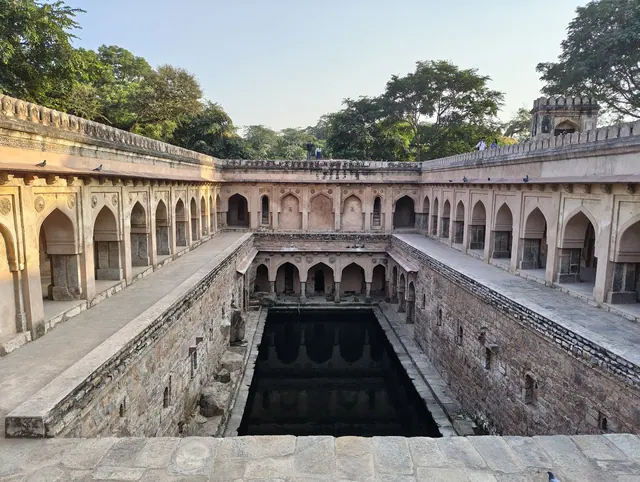
The free Mehrauli Archaeological Park holds more than a hundred monuments, among them the Rajon ki Baoli stepwell. In Mehrauli village, Zafar Mahal keeps the empty plot the last Mughal emperor chose for his grave before exile to Rangoon; its opening depends on the ASI caretaker, so mornings are safer. A few steps from the Qutub complex, Yogmaya Temple is by tradition the only pre-Sultanate temple in Delhi still in worship. On the ridge nearby, Sanjay Van hides the ramparts of Lal Kot, Delhi's oldest fort.
Kashmere Gate: church and museum
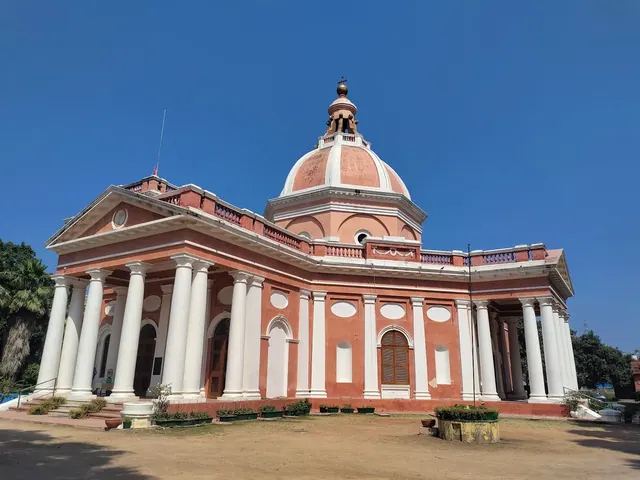
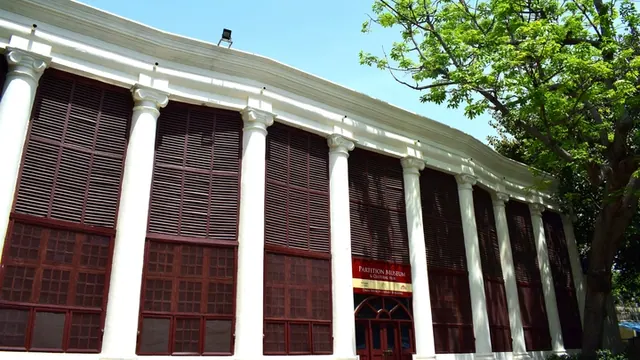
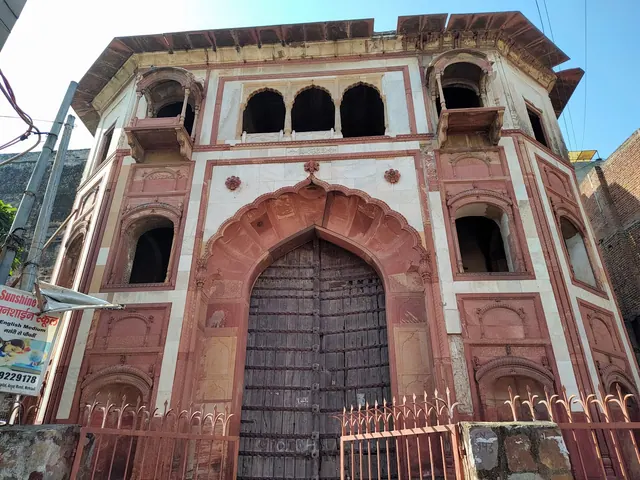
St James' Church, consecrated in 1836 and restored in 2023 in its original pink lime, is the oldest church still standing in Delhi. Nearby, in the 17th-century library of the Mughal prince Dara Shukoh, the Partition Museum tells 1947 through recorded voices (closed Mondays).
Old Delhi: a poet off the bazaar
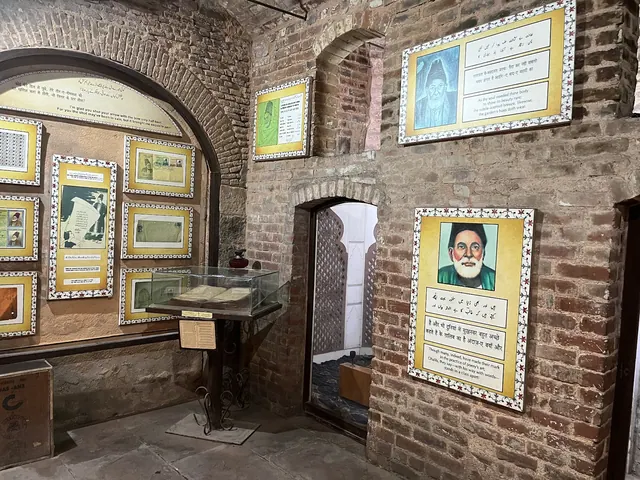
Turn from the Chandni Chowk lanes into Gali Qasim Jan in Ballimaran and the noise drops within a few metres: Ghalib ki Haveli is the courtyard house where Mirza Ghalib spent his last decade. Free, 11:00–18:00, closed Mondays.
The southern ridge: forest inside the city
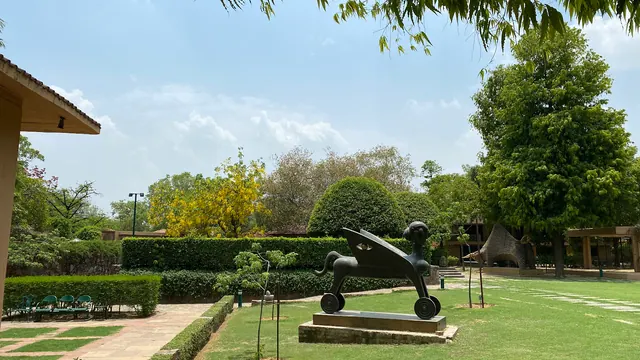
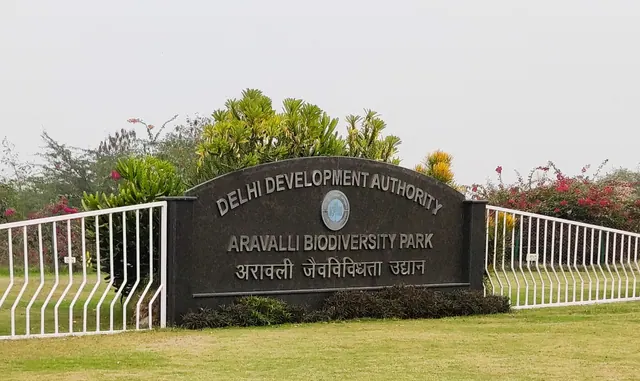
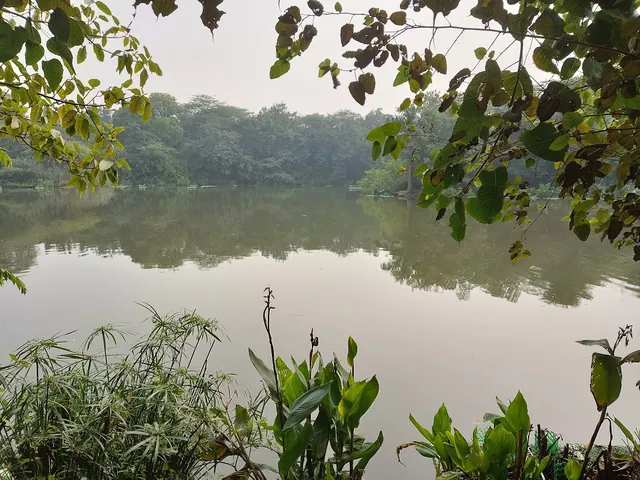
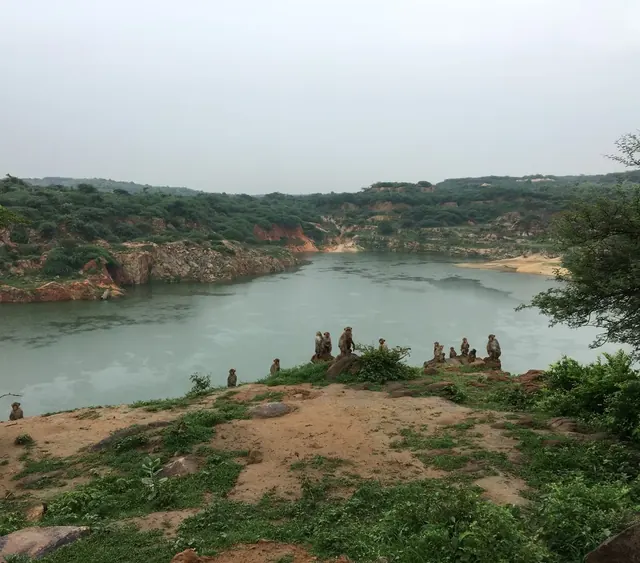
Aravalli Biodiversity Park is former mining land replanted as native forest, free, with more than two hundred bird species counted. Further south, Asola Bhatti Wildlife Sanctuary hides Neeli Jheel, a blue lake in an old quarry, reached by forest-department golf carts. On the Mehrauli-Gurgaon road, the three Sanskriti Museums treat everyday objects as art (closed Mondays).
Mysterious places: djinns, an empty fort and a stepwell
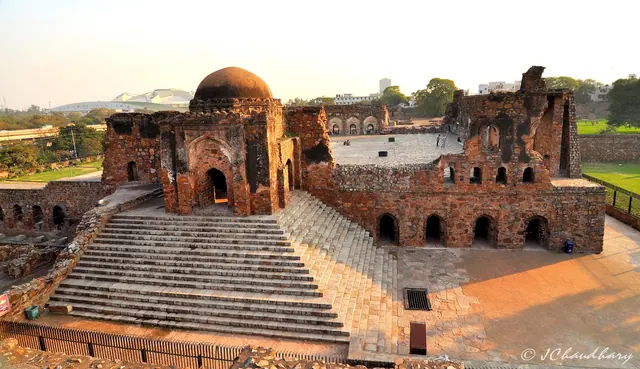
Delhi's strangest stories are attached to real stones. At Feroz Shah Kotla, the 14th-century citadel of Delhi's fifth city, many Delhiites hold that djinns live in the vaulted chambers, and on Thursdays people leave candles, incense and photocopied letters addressed to them. Above stands a 3rd-century BC Ashokan pillar, floated down the Yamuna to be raised here.
At Tughlaqabad Fort, six kilometres of 14th-century walls, legend says the Sufi saint Nizamuddin wished the city to stay empty, and it is still nearly empty of visitors. And Agrasen ki Baoli, within walking distance of Connaught Place, takes you down 108 steps between walls that close in at each level: free and quiet among the office towers.
A few more quiet corners
Not on the list above, but often near-empty.
Safdarjung's Tomb
The last of the great Mughal garden tombs (1754), directly across from Lodhi Garden, draws a fraction of Humayun's Tomb's crowd.
Bikaner House
The former residence of the Bikaner rulers beside India Gate is now a cultural centre with exhibitions, designer markets and concerts; check what is on before you go.
The Khari Baoli rooftop
Above the spice market, the roof of the Gadodia Market building gives a view over Old Delhi; go mid-morning, and not on Sunday, when the market is closed.
Timing and practicalities
Quiet places have their own rules; most are about the calendar and the ground underfoot.
- Avoid Mondays for museums — Ghalib ki Haveli, the Partition Museum and the Sanskriti Museums are all closed on Mondays.
- Pick the season — October and February–March are the best months; May and June bring heat of 45 °C and more, and November to January brings smog. Month by month: best time to visit Delhi.
- Ruins mean rough ground — Paths in Mehrauli, Tughlaqabad and Sanjay Van are rocky; bring water and proper shoes. Sanjay Van's trails are long and poorly signposted, so go in the morning and with company.
- Respect the believers — Thursday is the day of the djinn letters. Watch quietly: for the people leaving them, this is devotion, not a show. At Yogmaya, dress modestly and take your shoes off at the step.
FAQ
What are some offbeat places in Delhi?
Mehrauli Archaeological Park, Zafar Mahal, Ghalib ki Haveli, St James' Church, Feroz Shah Kotla and the forests of the southern ridge, such as Aravalli Biodiversity Park and Sanjay Van.
What are some mysterious places to visit in Delhi?
Feroz Shah Kotla, where people leave letters to the djinns every Thursday; Tughlaqabad Fort, said to have been wished empty by a Sufi saint; and the Agrasen ki Baoli stepwell near Connaught Place.
Are Delhi's hidden gems free to visit?
Many are: Mehrauli Archaeological Park, Zafar Mahal, Ghalib ki Haveli, Aravalli Biodiversity Park, Sanjay Van, Yogmaya Temple and Agrasen ki Baoli charge no entry. Feroz Shah Kotla has a small ASI ticket.
Which hidden gems can I combine in one day?
Mehrauli works best: the archaeological park, Zafar Mahal and Yogmaya Temple are all around Qutub Minar. Start in the morning, when Zafar Mahal is more likely to be open.
What are the top attractions in Delhi?
The Red Fort, Qutub Minar and the old city are the classics; the full picture is on the Delhi city page.
Facts checked: 8 October 2026. Prices and hours are approximate; check locally.
The full catalogue, hidden spots and districts on the map, plus “nearby” mode.
Open in India GO