 India GO
Best photo spots in Mumbai
Mumbai's best photographs come from Victorian and Art Deco facades, the Bandra-Worli Sea Link seen from old forts, and the city at work before breakfast. Get up early for the flower market and the fish dock, and ask before you photograph anyone.
The classic frames
The pictures everyone wants.
Gateway of India and the Taj
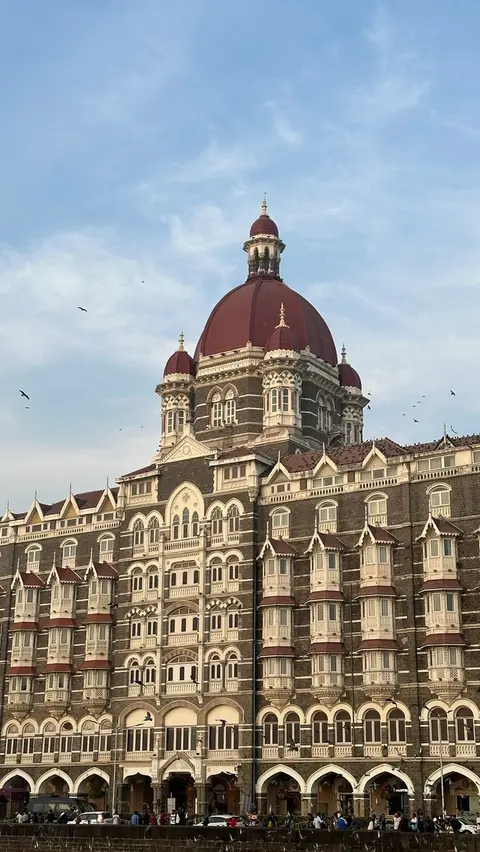
The Gateway of India arch on the seafront and, across the road, the red dome of The Taj Mahal Palace, built in 1903, two decades before the Gateway. Non-guests can photograph the facade from Apollo Bunder.
Marine Drive as the Queen's Necklace
The three-kilometre arc of Marine Drive is lined with Art Deco buildings, the world's second-largest ensemble after Miami. For the famous night shot, go up to the Hanging Gardens and Kamala Nehru Park on Malabar Hill at dusk: the park's edge looks down the whole curve as the lights come on.
Chhatrapati Shivaji Terminus
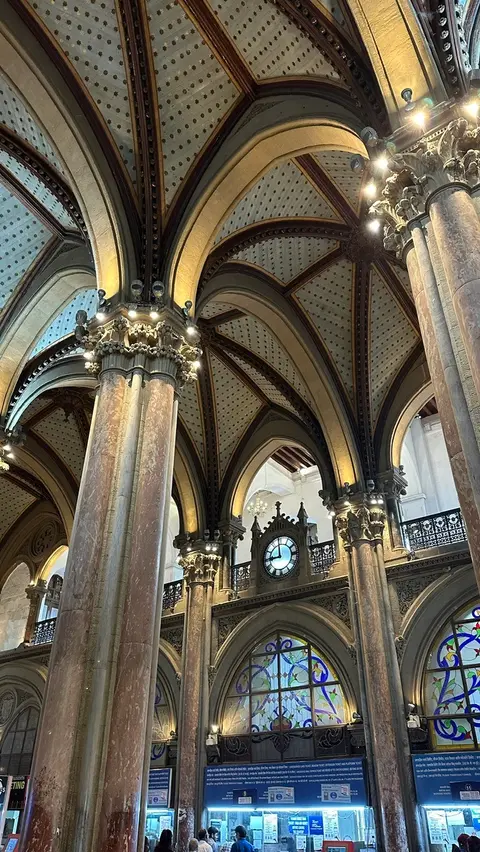
CST is UNESCO-listed Victorian Gothic and one of the world's busiest stations: a dome crowned by a statue of Progress, gargoyles and stained glass. Come between the rush hours, roughly 10:30 to 17:00.
Worth the early alarm
Mumbai at work is its most photogenic side, and it happens before most visitors wake up.
Dadar flower market (Phool Galli)
From about 4:00 the wholesale market spreads around and under the Dadar flyover, and between 5:00 and 7:00 it peaks: porters with garland bundles a metre across, marigold, rose, jasmine and lotus, the light still grey. By mid-morning it thins out.
Sassoon Dock
The city's oldest wet dock, opened in 1875. The Koli boats come in before dawn and the fish auction starts around five; by seven it is over. Since the St+art project of 2017 the warehouse walls carry huge murals. Floors are wet and cameras should stay low and discreet around people working; see the Sassoon Docks page.
Dhobi Ghat
The open-air laundry, working since the late 19th century, with more than a thousand washing vats. The viewing point on the bridge by Mahalaxmi station gives the best overview, ideally about 7:00 to 10:00, when washing is in full swing. More on the Dhobi Ghat page.
Banganga Tank
A stone tank of 1127 ringed by ghat steps, lamp pillars and small temples behind the towers of Malabar Hill. Come early, when the water is still and the tank is used rather than looked at. It is a living place of worship, so dress modestly; see Banganga Tank.
The Sea Link from the old forts
The best views of the Bandra-Worli Sea Link come from two small forts. Bandra Fort, a Portuguese watchtower of about 1640 at Land's End, faces the bridge head-on: its cables catch the last light and then switch on, so it is busiest at sunset and worth reaching a little early. Entry is free.
At the other end, Worli Fort of 1675 stands at the tip of Worli Koliwada, the old Koli fishing village. The way to the ramparts runs through the village lanes, and from the walls the Sea Link rises straight ahead. Mornings are liveliest. This is a residential village, so be discreet with the camera.
Colour, interiors and the unexpected
Smaller places for a careful frame.
Khotachiwadi
A 19th-century East Indian hamlet in Girgaon: pastel bungalows in the Portuguese manner, teak verandahs, lanes wide enough for one scooter. About 28 of the original 65 houses survive. Doors open straight onto the lane, so walk quietly and ask before photographing a house. Khotachiwadi.
Keneseth Eliyahoo Synagogue
Kala Ghoda's blue synagogue of 1884, its facade returned to white and indigo, with stained glass and slender cast-iron columns inside. Visitors are generally welcome outside service times; carry ID and arrange ahead if you can. Keneseth Eliyahoo.
Malabar Hill treetop trail
A raised wooden walkway at canopy height through the last forest on Malabar Hill, with a glass-floored section looking down into the leaves and out towards the Arabian Sea and Girgaon Chowpatty. Entry is by an inexpensive timed slot booked online; mornings are quiet.
Photo etiquette
Ask before photographing people, especially at the flower market, Sassoon Dock, Worli Koliwada and Khotachiwadi, where you are in someone's workplace or home. At the Global Vipassana Pagoda photography and video are not allowed inside the main dome or the visitors' gallery, and the neighbourhood-guided walk through Dharavi is run as a no-camera tour.
Best season and light
November to February is the dry season, with clear skies and comfortable mornings; March and April stay dry but hotter. From June to September the monsoon brings very heavy rain, flooding and disruption to trains and flights. For golden-hour planning see Sunset points in Mumbai.
FAQ
What are some good places to take photos in Mumbai?
The Gateway of India and the Taj, Marine Drive from Malabar Hill at dusk, Chhatrapati Shivaji Terminus, Bandra Fort for the Sea Link, the pastel houses of Khotachiwadi and, at dawn, the Dadar flower market and Sassoon Dock.
Where can I photograph the Bandra-Worli Sea Link?
From Bandra Fort at Land's End, which faces the bridge head-on and is busiest at sunset, or from the walls of Worli Fort at the tip of Worli Koliwada.
Where can I see the Queen's Necklace?
From the edge of Kamala Nehru Park and the Hanging Gardens on Malabar Hill at dusk, when the lights along Marine Drive come on.
Is photography allowed at the Global Vipassana Pagoda?
Not inside the main dome or the visitors' gallery. The pagoda allows pictures outside the main dome and elsewhere on the campus.
When is the best time for photos in Mumbai?
The dry months from November to February, early morning for markets and docks, and sunset for the seafront and the Sea Link.
Sources (1)
Facts checked: 15 October 2026. Prices and hours are approximate; check locally.
The full catalogue, hidden spots and districts on the map, plus “nearby” mode.
Open in India GO