 India GO
Beaches in Mumbai: which one and what to expect
Mumbai has city beaches rather than swimming beaches. Juhu and Girgaon Chowpatty are where the city comes out in the evening for the sea breeze, the sunset and a plate of bhel puri; further north, Versova, Aksa and Gorai are quieter but no better for a swim. Come for the walk and the light, keep your feet in the shallows, and plan around the monsoon.
What a Mumbai beach is for
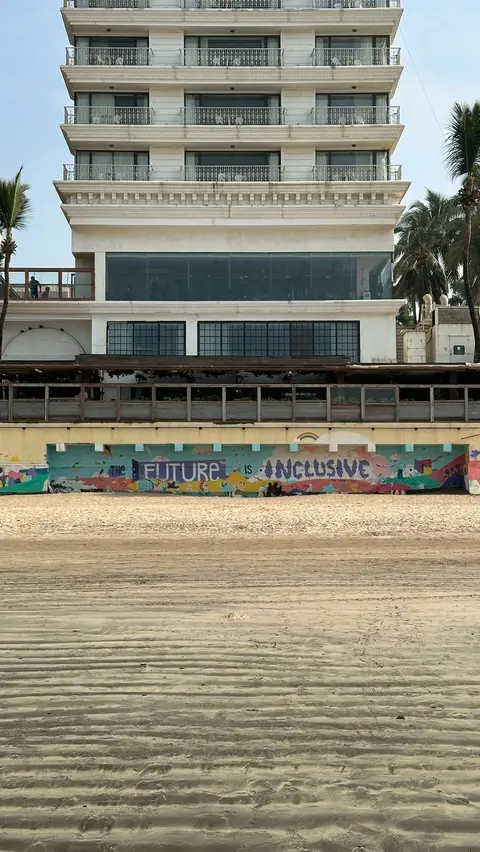
Think of Mumbai's beaches as the city's open-air living room. In the evening Juhu fills with families: children build sand castles, teenagers play cricket, older people sit on the sea wall, and vendors sell bhel puri, pav bhaji and kulfi. Planes heading out of the airport pass low overhead, so close you can read the airline names.
The water is a different story. Wikipedia's article on Girgaon Chowpatty describes the sea there as severely polluted and unsafe for swimming, and the Gorai article says pollution has made the sea off Mumbai unfit for swimming, with Gorai less polluted than other city beaches. So treat the sand as a promenade, not a resort.
The main beaches, south to north
From the city centre outwards, with what each one is known for.
Girgaon Chowpatty
At the north end of Marine Drive, with the Nariman Point skyline across the bay and Malabar Hill above. Chowpatty is where South Mumbai eats bhel puri and pani puri at sunset, and after dark the whole arc behind it lights up as the Queen's Necklace. It is also where the largest Ganesh idols are immersed at the end of the festival.
Juhu
The big one, in the western suburbs near the airport, with hotels and restaurants right on the sand. Pav bhaji by the water, kites, evening crowds of families and the planes overhead. The Juhu area suits travellers who want the ocean outside the window, though the centre is a long ride away.
Versova
North of Juhu, around a Koli fishing village whose catch is still sold at the Versova jetty. From 2015 lawyer Afroz Shah and volunteers cleared close to 5.3 million kg of rubbish, mostly plastic, over 21 months, and Olive Ridley turtles nested here in 2018 for the first time in twenty years. A beach that shows what the city's shoreline can be.
Aksa
In Malad, near Marve, with weekend cottages and a navy base at one end. It is often called one of the cleanest beaches in the city, but the currents are strong and the sand shifts: there are swimming-prohibition signs and lifeguards, and Wikipedia records hundreds of rescues and dozens of drownings here over the years.
Gorai
On the far north-western edge of the city, across the creek from Borivali, next to the Essel World amusement park and the Global Vipassana Pagoda. The pagoda's own directions use the ferry across Gorai Creek, so a beach walk and the pagoda fit into the same trip.
Swimming: better not
The UK Foreign Office warns that there are strong currents off many Indian coasts and people drown every year, and that most beaches have no warning signs, flags or lifesaving equipment. Where lifeguards are on duty, follow their instructions. In Mumbai, add polluted water to the list. Paddling at the edge in calm weather is what most locals do; in the monsoon, stay off the water line altogether. Women travelling alone should note the FCDO advice to avoid isolated areas, including beaches, at any time of day. More in Is India safe; the national emergency number is 112.
When to go
The dry winter from November to February is the best window for Mumbai, and the beaches follow it: almost no rain, daytime highs around 31–34 °C and nights down to about 17–21 °C. March and April are still dry but hotter. From June to September the monsoon brings extreme rain, up to about 920 mm in July over some 23 rainy days, with rough seas and flooding.
Whatever the month, the beaches come alive late in the day: Juhu and Chowpatty are evening places, when the heat drops and the sun sets over the Arabian Sea. For more sunset spots see Sunset points in Mumbai, and for a seaside escape beyond the city, Day trips from Mumbai.
FAQ
Is there any beach in Bombay?
Yes, several. Girgaon Chowpatty sits at the end of Marine Drive in the south, Juhu is the big beach near the airport, and Versova, Aksa and Gorai line the north-western shore.
Can you swim at Mumbai beaches?
It is not advisable. The water off the city beaches is polluted, and beaches like Aksa have strong currents and swimming-prohibition signs. Paddle at the edge in calm weather and follow lifeguards where they are on duty.
Which is better, Juhu Beach or Versova Beach?
Juhu is the classic evening outing, with street food, crowds and planes overhead. Versova, just north, is built around a Koli fishing village and is known for the volunteer clean-up that brought turtles back to nest.
Which is the best beach in Mumbai for sunset?
Juhu and Girgaon Chowpatty both face west over the Arabian Sea. At Chowpatty you also see Marine Drive light up as the Queen's Necklace after dark.
When is the best time to visit Mumbai beaches?
November to February, when it is dry and nights are cooler. Avoid June to September, when the monsoon brings heavy rain and rough seas.
Sources (7)
Facts checked: 15 October 2026. Prices and hours are approximate; check locally.
The full catalogue, hidden spots and districts on the map, plus “nearby” mode.
Open in India GO