 India GO
Hidden gems in Goa
The hidden side of Goa is rarely far away; it is just off the routes the taxis follow. A free ferry takes you to an island of paddy fields, an inland fort on a river island stands almost empty past the lanes of Aldona, and in the south a lagoon sits behind a beach at the end of a rough track. What hides these places is a small obstacle (a ferry, a track, a tide, a drive inland), and the trick is to choose the ones that fit the part of Goa you are staying in.
Choose by where you are staying
Goa is small on the map and slow on the road, so the realistic list depends on your base. Most of the places below are in the list above; this is how they group by area.
North Goa
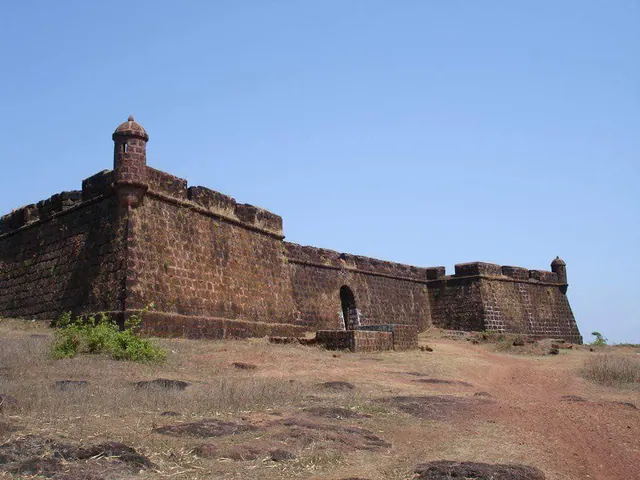
Corjuem Fort near Aldona, one of only two inland forts left in Goa, free and nearly always empty. The Houses of Goa Museum in Torda and Paper Boat Collective, independent Indian design in a century-old villa in Sangolda. Past Arambol the coast leaves Goa: Fort Tiracol by ferry from Querim, then Redi Fort and the empty Maharashtra beaches around Vengurla.
Panaji and inland
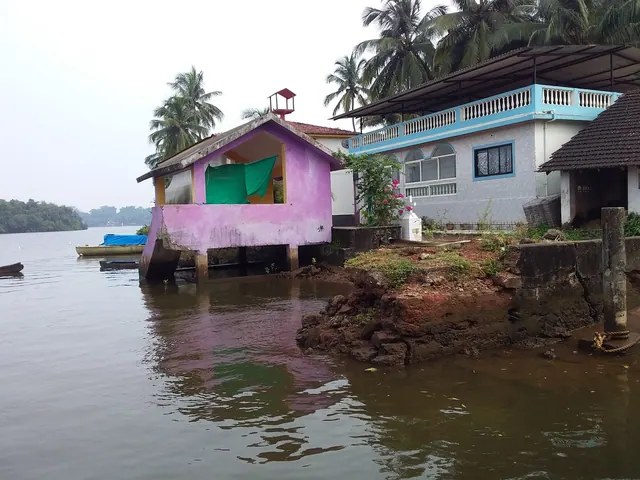
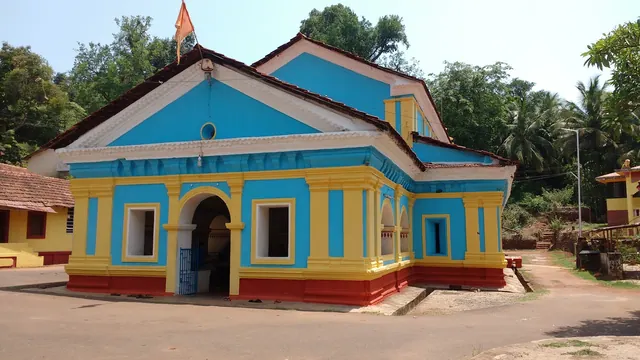
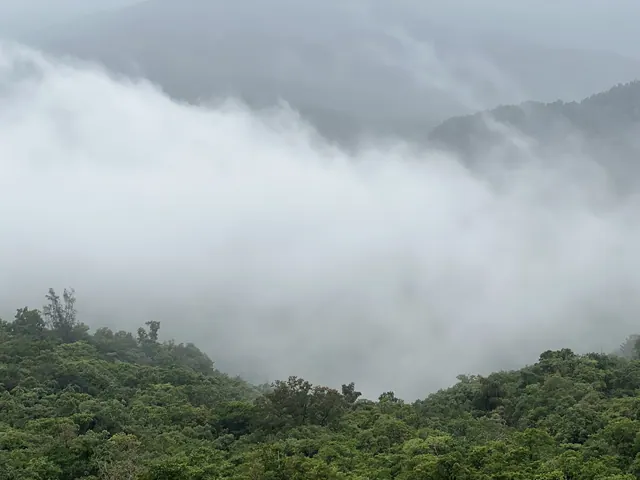
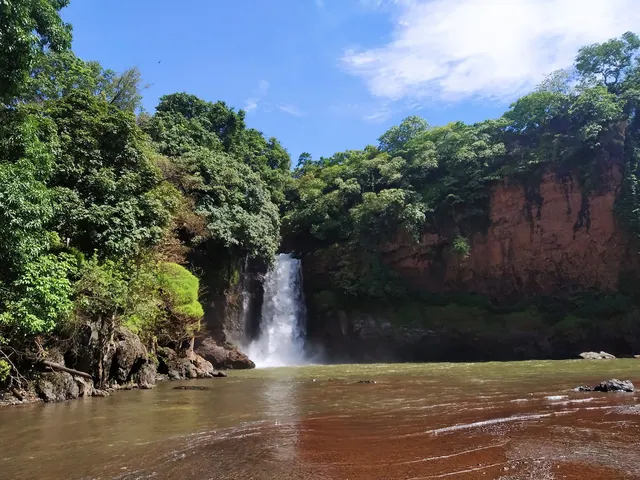
Divar Island, reached only by free ferries from near Old Goa, Ribandar or Naroa. From the Naroa side the Saptakoteshwar temple at Narve is close: after the shrine on Divar was lost in 1560, its linga was carried here, and Shivaji's 1668 inscription sits above the assembly hall. Further inland, the Arvalem waterfall near Sanquelim and, higher up, Chorla Ghat, where Goa, Karnataka and Maharashtra meet in the Western Ghats.
South Goa
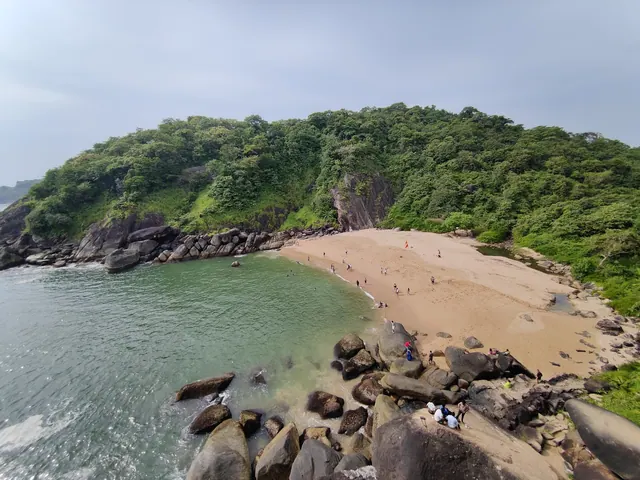
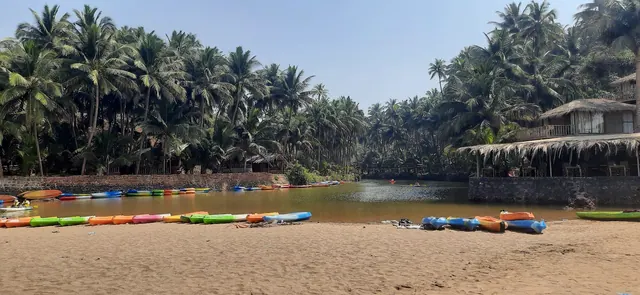
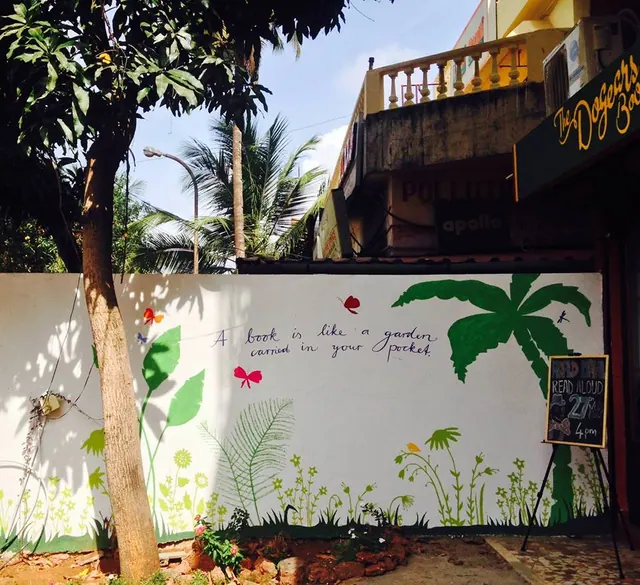
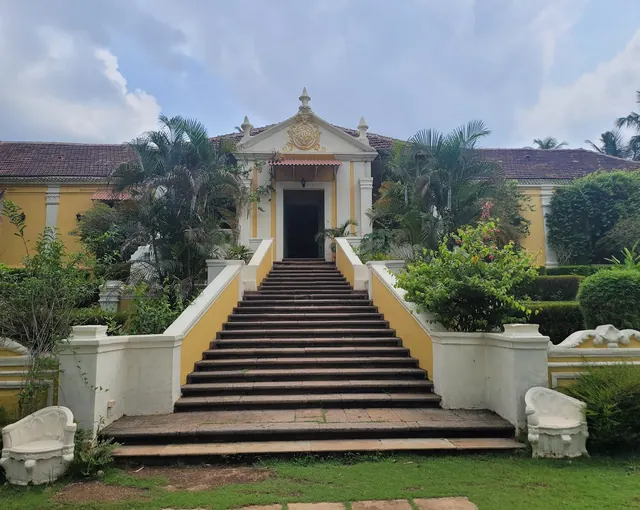
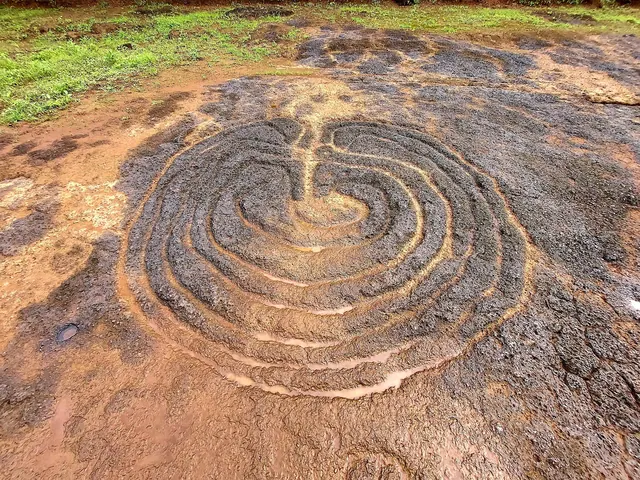
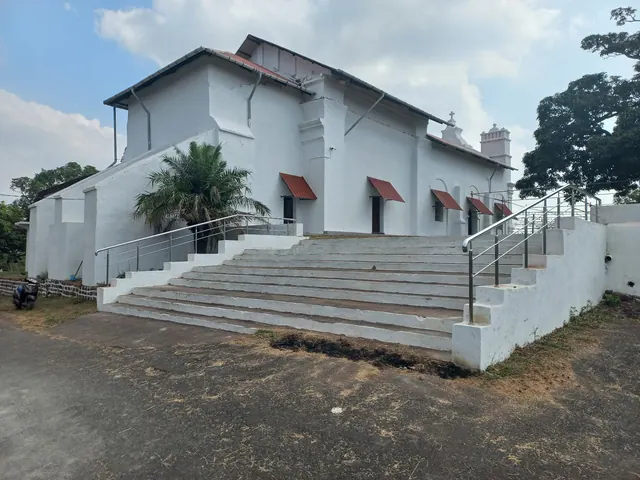
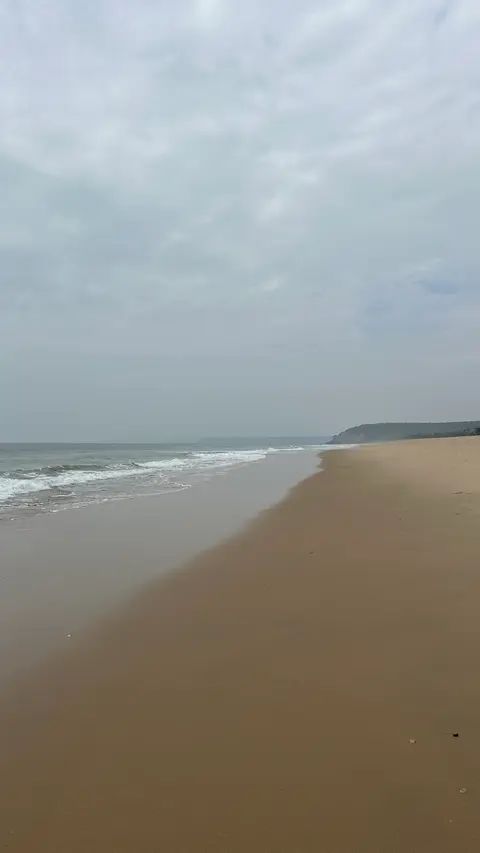
Butterfly Beach by boat from Palolem or Agonda, and Cola Beach with its freshwater lagoon. Inland, the Palácio do Deão in Quepem, the Usgalimal rock engravings near Rivona and the bubbling temple tank at Netravali. Above Cansaulim, the 1599 chapel on Cuelim hill has wide views over South Goa. In Margão, The Dogears Bookshop is where Goa's own publishing scene lives.
Good combinations
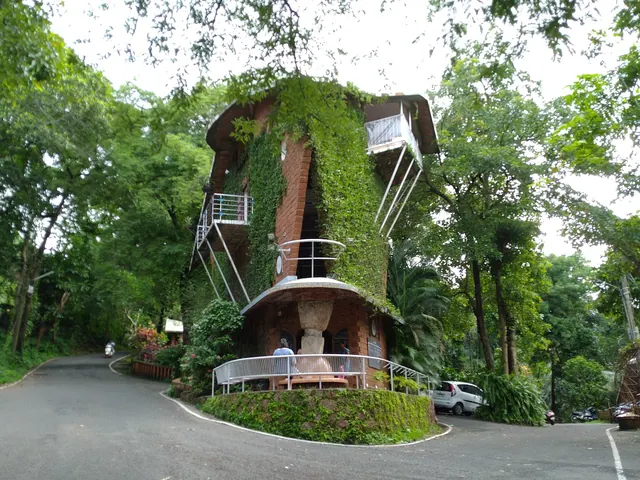
Houses first, mansions after. Half an hour in the ship-shaped Houses of Goa Museum explains shell-glazed windows, azulejo tiles and the balcão (the covered porch seat), and after that the Menezes Braganza House in Chandor, still lived in by the family, reads completely differently.
The Kushavati river. The Palácio do Deão stands on its bank in Quepem, and the Usgalimal carvings are cut into a laterite shelf beside the same river. Lunch at the Palácio can be booked in advance; the carvings look best in low morning or evening light.
River and temple. Take the Naroa ferry to Divar and pair it with the Narve temple, the place where Divar's lost shrine was rebuilt.
Forest and stone. The Mahadev temple at Tambdi Surla, the oldest temple standing in Goa, is about 65 km from Panaji in the forest near Mollem. It is not a secret, but it sits far from the coast, in forest at the foot of the Western Ghats, with a stream running past.
When to go
The season splits these places in two. The coves and the Maharashtra beaches belong to the dry months, November to March, when the sea is open for swimming; from June to September a red-flag advisory closes the sea. The inland places are the opposite: Chorla Ghat is most dramatic from June to September, when cloud pours over the ridges and the seasonal cascades run, and Arvalem falls are a roar in and just after the monsoon but a thin ribbon by the end of the dry season. Usgalimal is the exception that needs the dry months, because the monsoon river covers some of the panels. Divar is quiet most of the year and loudest in late August, during the Bonderam flag festival, and Cuelim hill fills on 6 January for the Feast of the Three Kings.
What the quiet costs
- Butterfly Beach: no shops and no lifeguards, and at high tide the strip of sand narrows to very little. Check the tide, carry water and take your rubbish back. The boat from Palolem or Agonda takes 30–45 minutes; the alternative is an hour of steep forest path.
- Cola: a rough laterite track with no bus service. Go on a scooter only if you ride confidently, and leave daylight for the way back. The lagoon is calm, the open sea can pull hard.
- Maharashtra beaches: no shacks, no water, no shade, strong tides and no one to rescue you.
- Chorla Ghat: the hairpins are best not driven after dark.
- Usgalimal: remote and unstaffed, so do not expect a ticket desk or a guard.
- Temples: Narve and Tambdi Surla are working shrines: shoes off, and at Tambdi Surla shoulders and knees covered.
FAQ
What are some offbeat places in Goa?
Divar Island by free ferry, Corjuem Fort near Aldona, the Usgalimal rock engravings, the bubbling tank at Netravali, Chorla Ghat and the coves of Butterfly and Cola beaches in the south.
How do I get to Butterfly Beach?
Almost everyone goes by boat from Palolem or Agonda, 30–45 minutes, often with dolphins on the way. The only other way is an hour of steep forest path.
How do I get to Divar Island?
By free ferry: there is no bridge. Ferries leave from near the Viceroy's Arch in Old Goa, from Ribandar and from Naroa.
What is the bubbling lake in Goa?
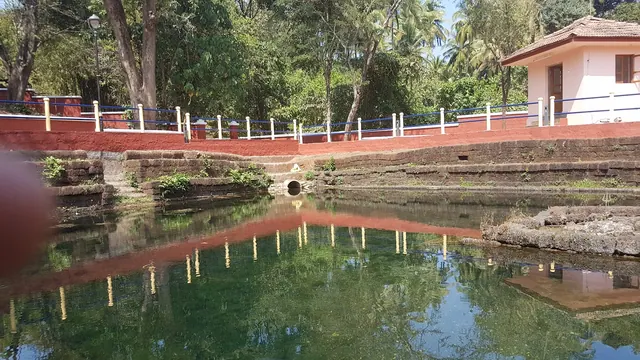
Budbudyanchi Tali, an old temple tank beside the Gopinath temple in Netravali, where bubbles rise faster when someone claps. It is around 80 km from Panaji.
When is the best time for Goa's waterfalls and Chorla Ghat?
In and just after the monsoon, which runs from June to September. By the end of the dry season Arvalem falls shrink to a thin ribbon.
Facts checked: 8 October 2026. Prices and hours are approximate; check locally.
The full catalogue, hidden spots and districts on the map, plus “nearby” mode.
Open in India GO