 India GO
Where to stay in Mathura
In Mathura the best room is usually the one closest to the temple you came for. The old city around Krishna Janmabhoomi, Dwarkadhish and Vishram Ghat is a knot of lanes best walked; the larger hotels with gardens and pools line the bypass roads. Here is how the areas compare and when Vrindavan is the better base.
Affiliate links: if you book, we earn a commission at no extra cost to you.
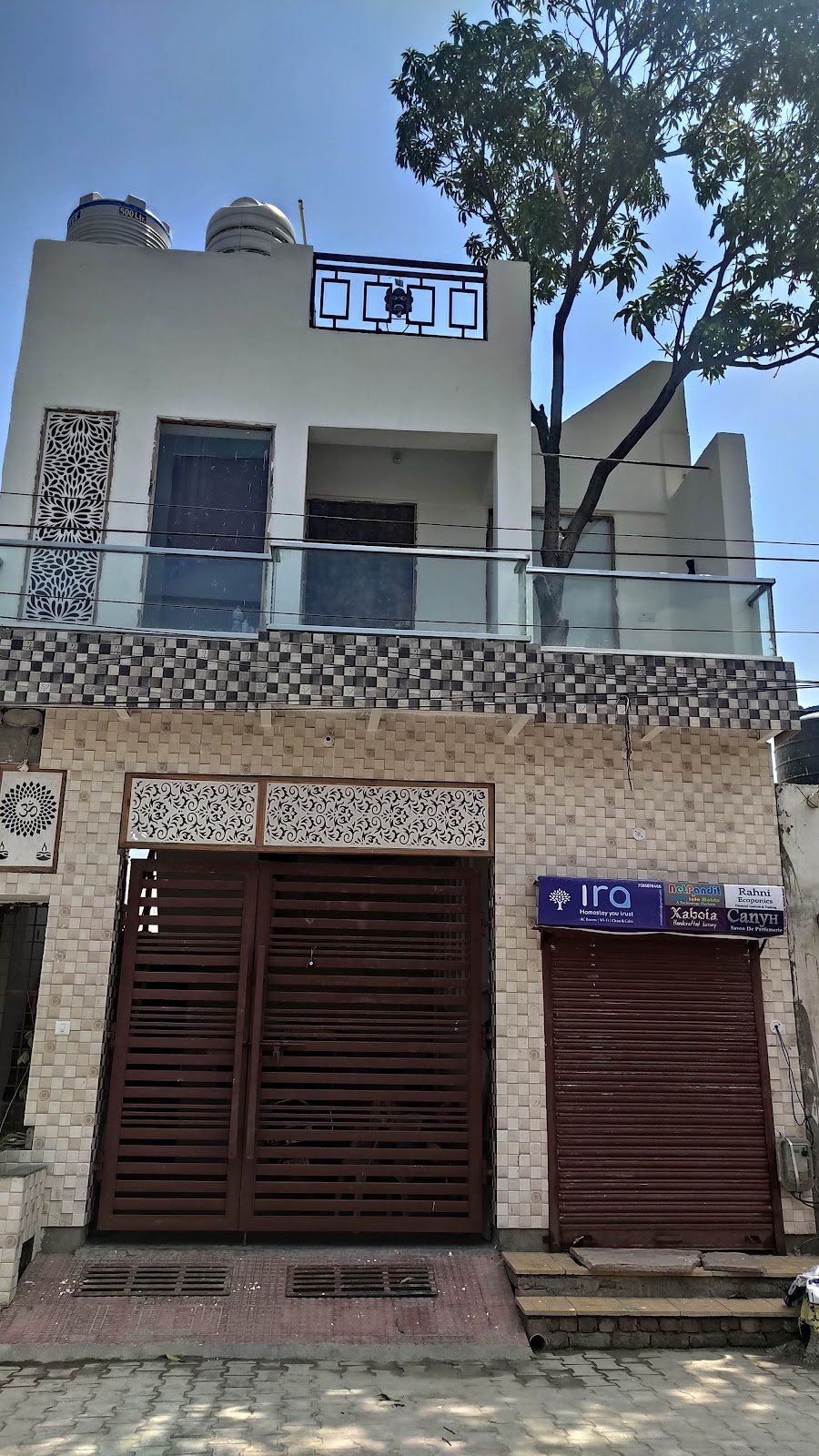
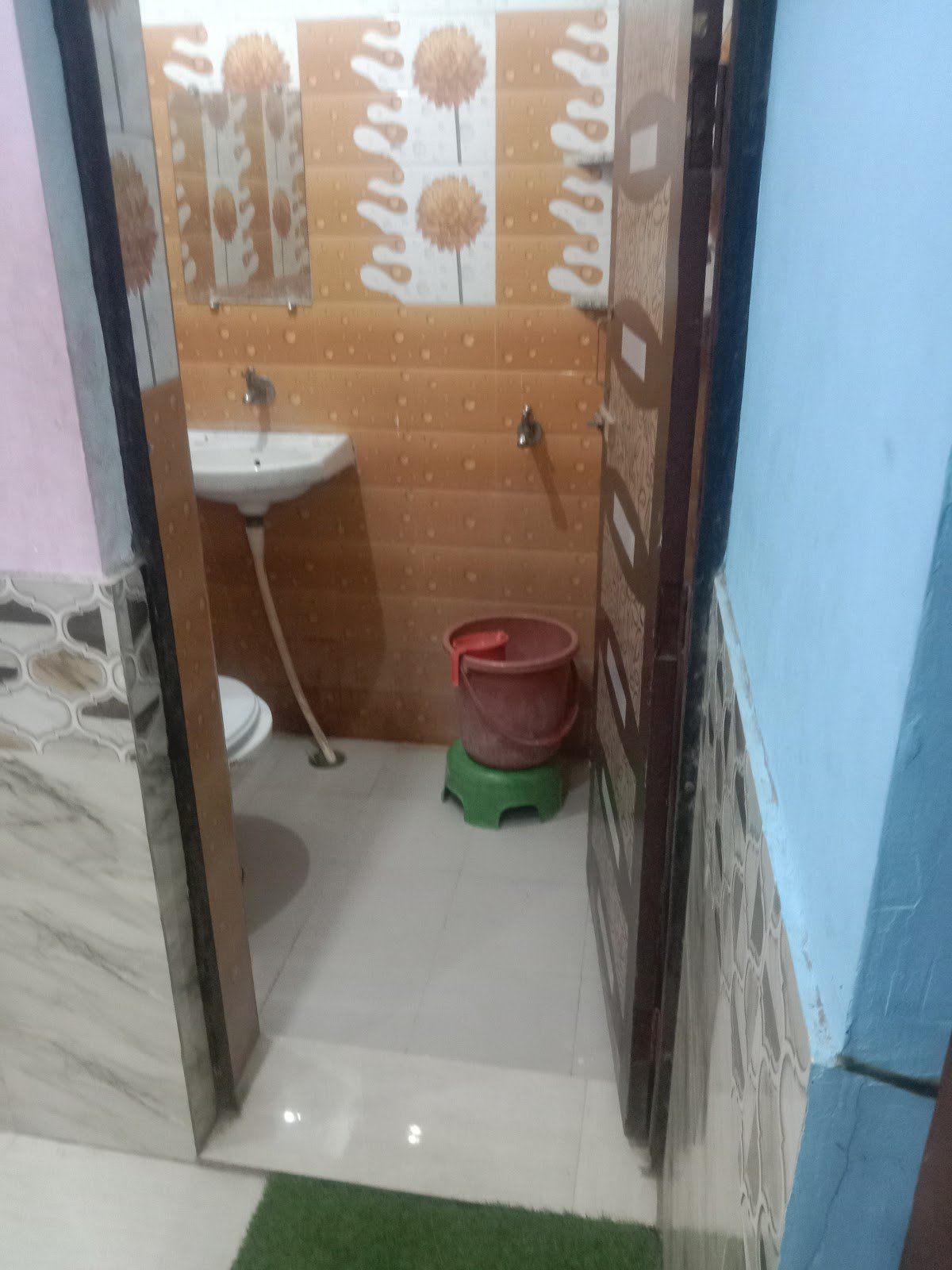
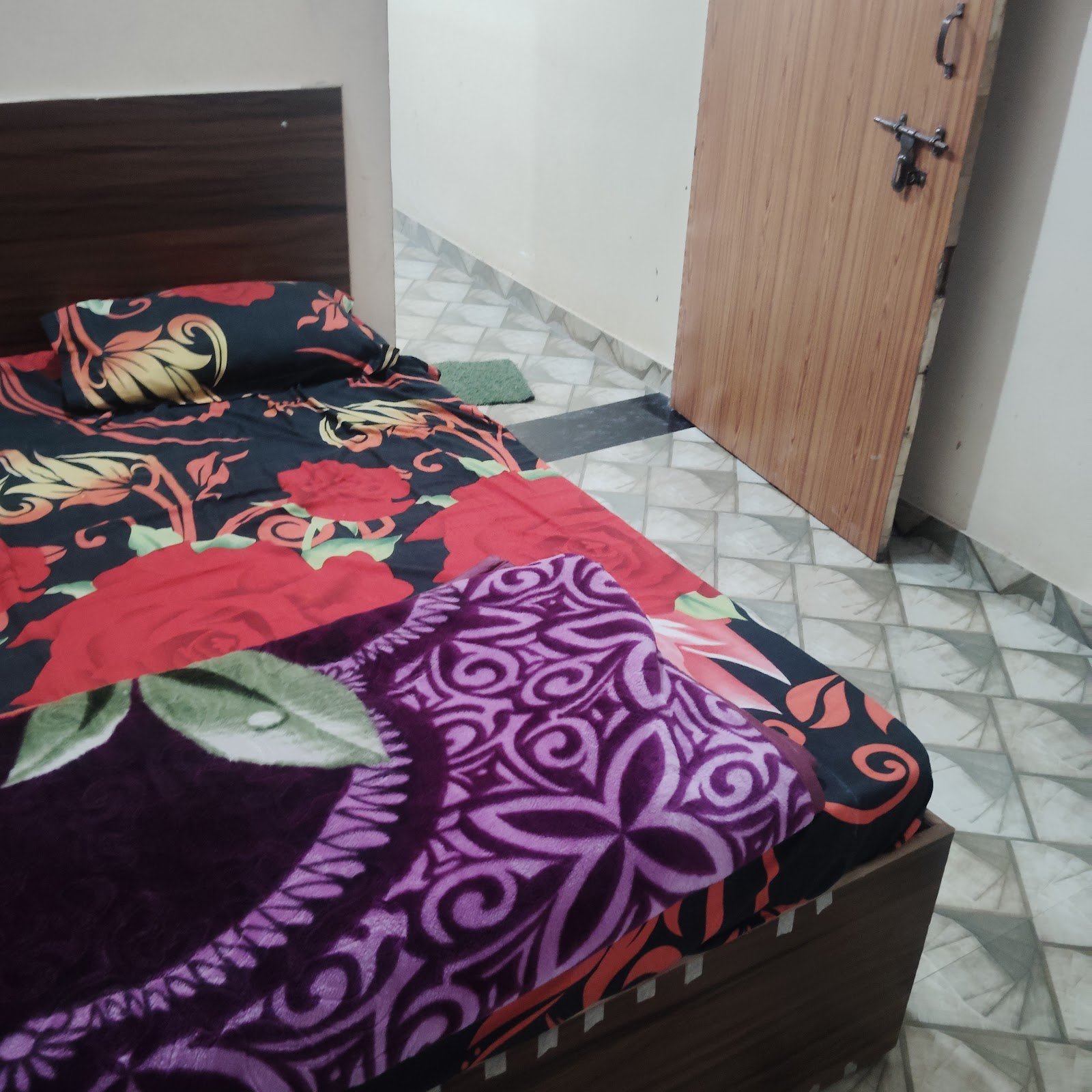
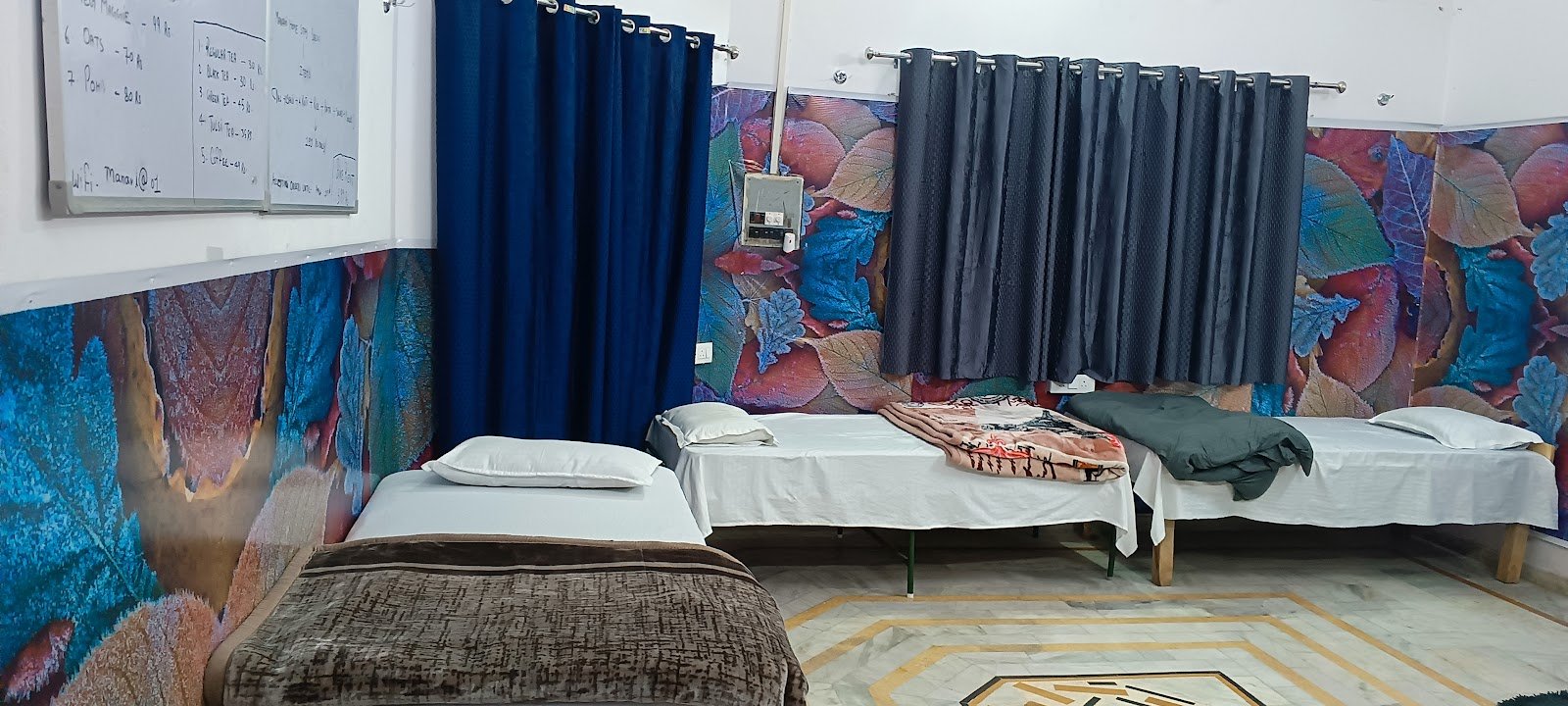
The areas, and who each suits
E-rickshaws link every part of compact Mathura, so choose by what you want outside your door: temple bells, a station, or a garden and a pool.
Temple core: Krishna Janmabhoomi
Pilgrim ashrams and dharamshalas (simple pilgrim rest houses, often run by a temple trust) stand a few hundred metres from the gate of the Krishna Janmasthan temple. The lanes here are narrow enough to be pedestrian in practice, and bags and phones are left behind at the complex's security check anyway, so a room nearby lets you drop everything and walk over. Rooms are basic; proximity is the point.
Old city: Dwarkadhish and Vishram Ghat
The riverside quarter around the Dwarkadhish temple and Vishram Ghat, where the evening Yamuna aarti (the lamp offering to the river) is held at sunset. The stays here are mostly dharamshalas; this is the base for anyone who wants the morning temple bells and the riverfront within walking distance.
Near Mathura Junction
The station (MTJ) is a big junction on the Delhi–Mumbai main line and stands 3–4 km from the temples: too far to walk with a bag, and there is no city bus, so an e-rickshaw covers it. Staying close to the station makes sense for an early train or a short stopover, and it is where the town's rare backpacker hostel is.
Masani Bypass and the Delhi bypass
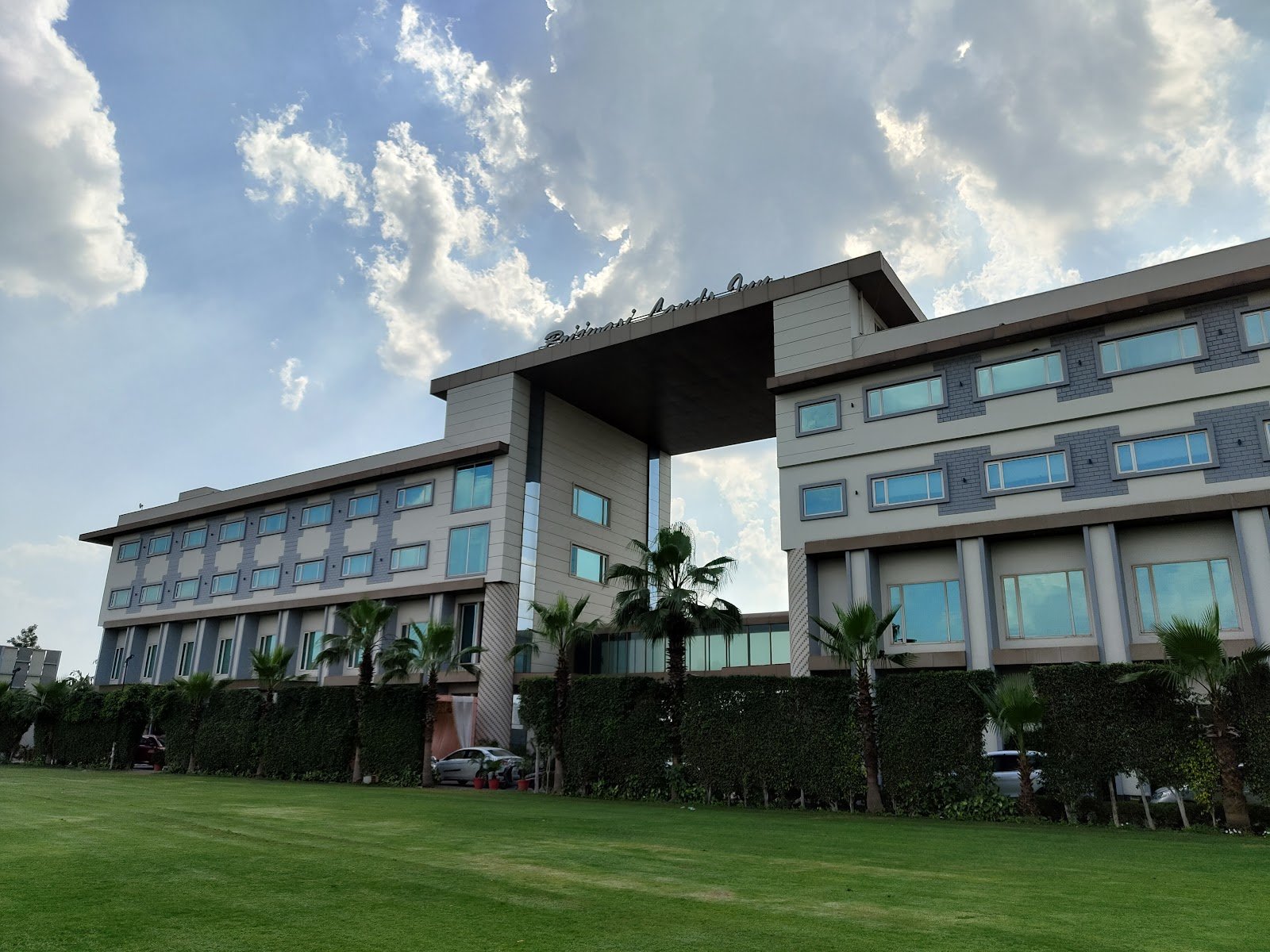
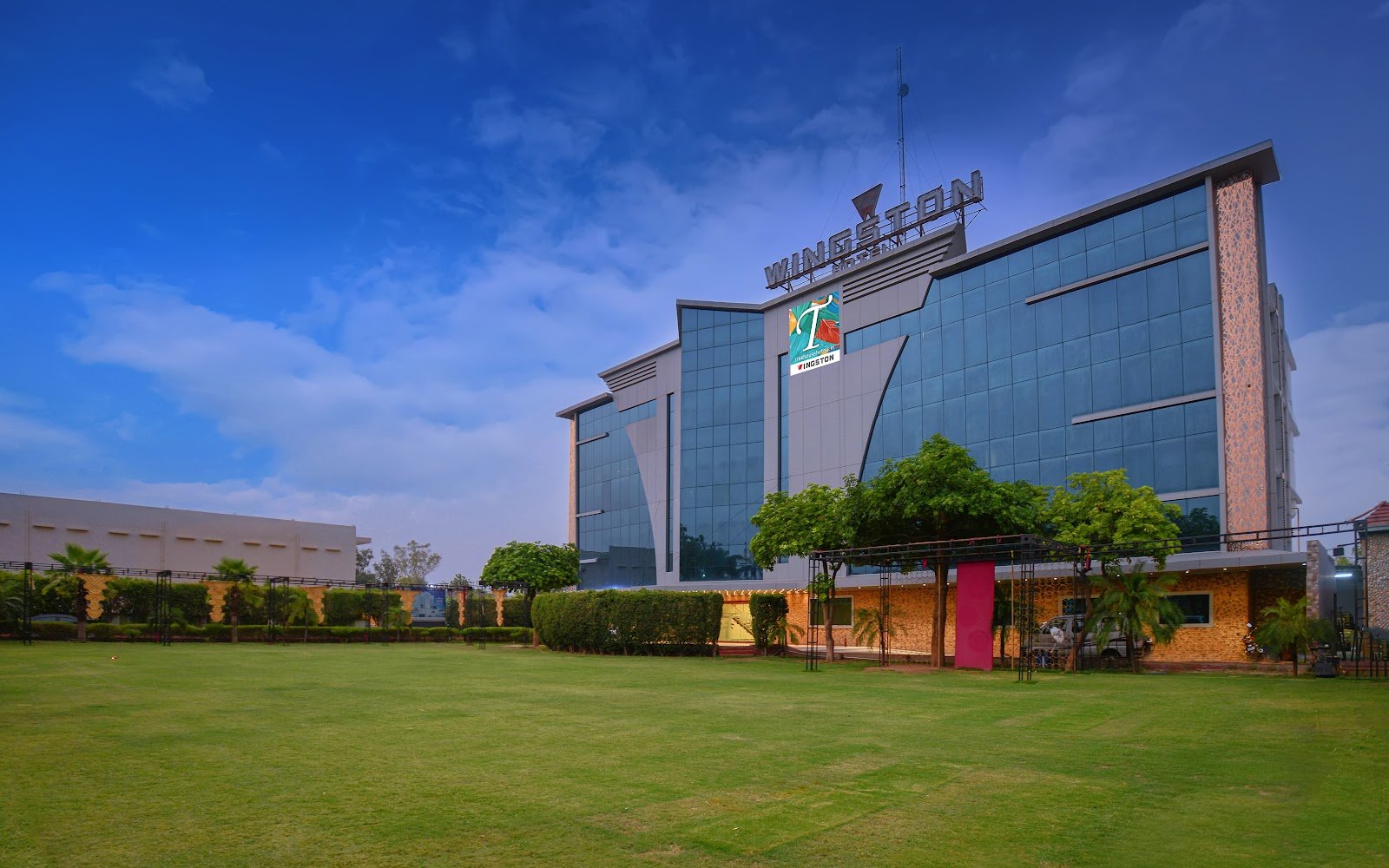
The larger full-service hotels, with gardens, pools, parking and restaurants, sit on Masani Bypass Road and Masani Link Road, about 3 km from the centre. Good with a car and for families who want space; less good on festival nights, when vehicles are stopped and the walk to the temples is long.
Out of town: the Vrindavan road, Gokul and Govardhan
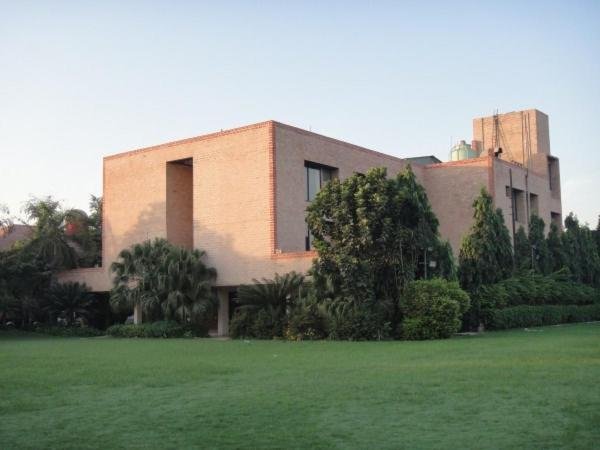
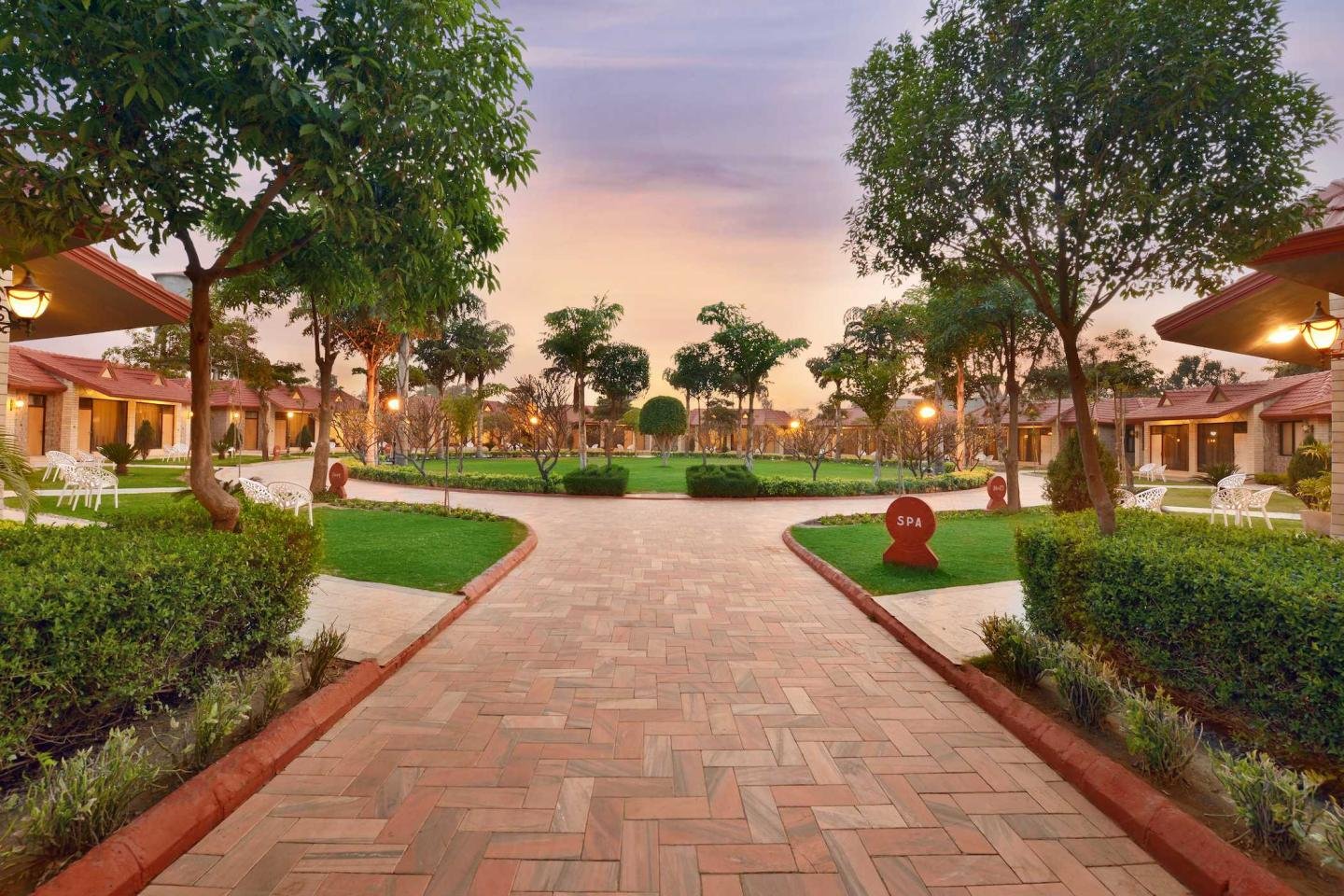
A trust-run dharamshala by the Gita Mandir on the Mathura–Vrindavan road works for both towns. One green hotel sits between Mathura and Gokul, where Krishna is said to have played as a child (Raman Reti), and a cottage resort with a spa stands on the Govardhan Parikrama Marg, about 25 km out, at the foot of the sacred hill. Both need a car for temple days.
Mathura or Vrindavan?
The two towns are 12 km apart, and many people stay in one and visit the other. Mathura has a large hotel stock (Braj is the region of Krishna's childhood), sits on the main railway line, and works as a hub for day trips to Vrindavan, Gokul, Govardhan and the Holi villages of Barsana and Nandgaon. Vrindavan has no working railway station and closes its centre to cars at busy times, but it rewards staying the night: its pre-dawn temple services and the lamps on the Yamuna at dusk are hard to reach on a day trip. If the temple days matter more to you than the village days, sleep in Vrindavan; see where to stay in Vrindavan. For the route in, see how to get to Mathura.
Janmashtami and Holi: book early, sleep close
Janmashtami (Krishna's birthday) is a midnight event at the Bhagwat Bhavan inside the Krishna Janmabhoomi complex, and the city closes to outside vehicles for about two days around it; recently the police diversion has run from 08:00 the day before to 09:00 the day after. Vehicles stop about 3 km out and everyone walks, a long way from the bypass hotels. Sleep within walking distance of the Janmasthan gate or in the Dwarkadhish and Vishram Ghat quarter, arrive the day before, and book six to eight weeks ahead: rooms nearest the security gate go first.
Holi in Braj runs for about a fortnight of events in different villages. Mathura is the natural base, since Barsana and Nandgaon have almost no rooms of their own; hire a car for the village days. Book months ahead, and expect room prices to rise on both festivals.
Choosing a room
Mathura's stays fall into a few types, and knowing them saves surprises.
- Dharamshalas and ashrams — Plain, devotional and close to the temples. Expect a clean room and little else; some serve food to guests.
- Homestays — Family-run, with home cooking; some serve satvik food (without onion or garlic, following devotional dietary rules).
- Vegetarian kitchens are the norm — Many stays, from dharamshalas to three-stars, run pure-vegetarian kitchens, and a hotel bar is unusual in Mathura.
- Getting about from your room — E-rickshaws cover every stretch between the station, Dwarkadhish, Vishram Ghat and the Vrindavan stand. Uber and Ola exist but coverage inside the city is patchy; they work better for Agra or Delhi. More in getting around Mathura.
FAQ
Which is the best place to stay in Mathura?
For temples, the old city around Krishna Janmabhoomi, Dwarkadhish and Vishram Ghat, where you can walk everywhere. For space and a pool, the hotels on Masani Bypass Road, about 3 km from the centre.
Is it better to stay in Mathura or Vrindavan?
Mathura has more hotels and the railway station and suits day trips across Braj; Vrindavan, 12 km away, is better if you want its dawn and dusk temple rituals.
How far is Mathura Junction from the temples?
About 3–4 km, too far to walk with luggage. An e-rickshaw takes about 15–20 minutes.
How far ahead should I book for Janmashtami?
Six to eight weeks, aiming for a room within walking distance of the Janmabhoomi gate; those fill first. Arrive the day before, as the city closes to outside vehicles.
Are there budget pilgrim stays in Mathura?
Yes. Dharamshalas and ashrams near Krishna Janmasthan, Dwarkadhish and on the Vrindavan road offer simple rooms, and there is a backpacker hostel near the station.
Facts checked: 8 October 2026. Prices and hours are approximate; check locally.
The full catalogue, hidden spots and districts on the map, plus “nearby” mode.
Open in India GO