 India GO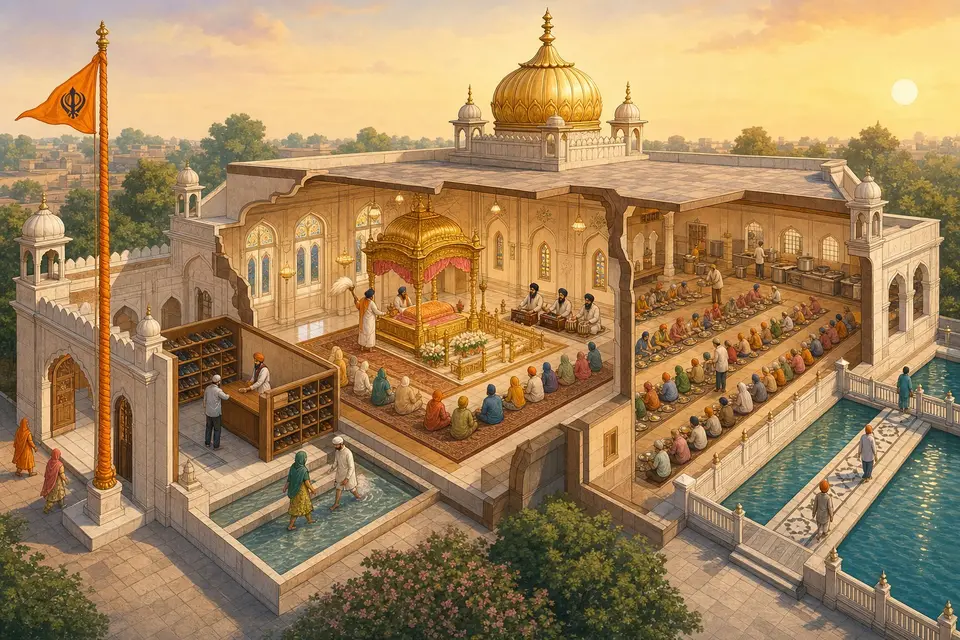
Sikhism in India
One Creator, ten Gurus and a book honoured as a living teacher, and a free kitchen where everyone sits in one row.
People
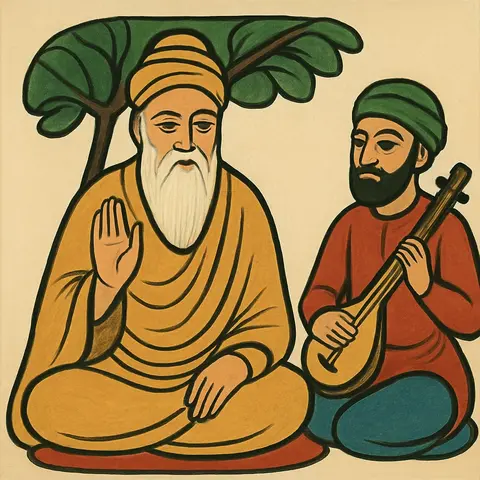 First GuruGuru Nanakਗੁਰੂ ਨਾਨਕ ਦੇਵ
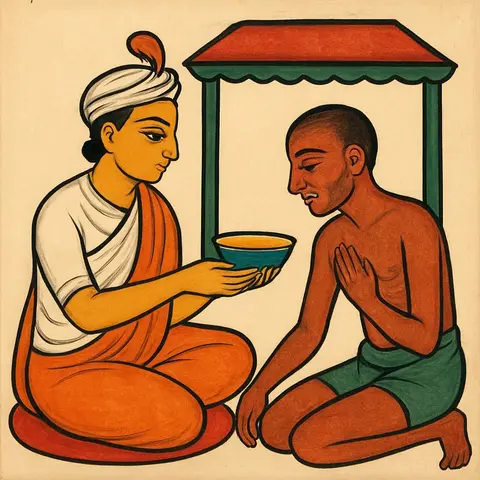 Eighth GuruGuru Har Krishanਗੁਰੂ ਹਰਿਕ੍ਰਿਸ਼ਨ
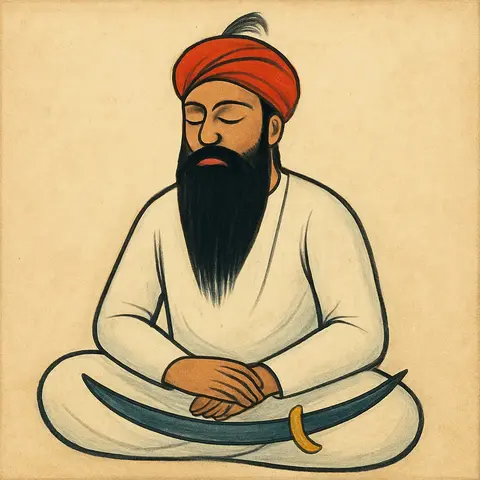 Ninth GuruGuru Tegh Bahadurਗੁਰੂ ਤੇਗ਼ ਬਹਾਦਰ
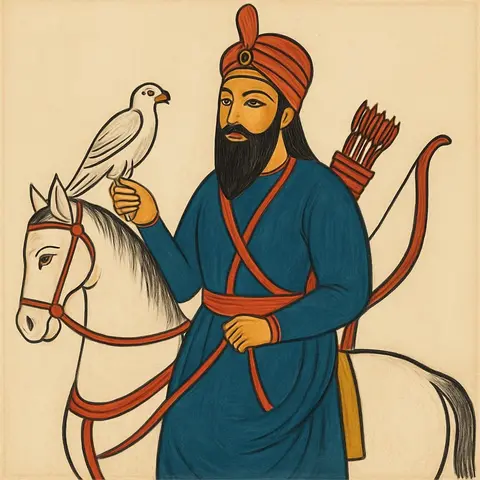 Tenth GuruGuru Gobind Singhਗੁਰੂ ਗੋਬਿੰਦ ਸਿੰਘ
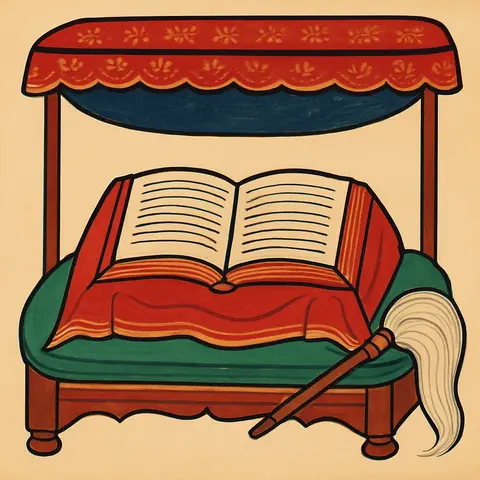 Eternal GuruGuru Granth Sahibਗੁਰੂ ਗ੍ਰੰਥ ਸਾਹਿਬ
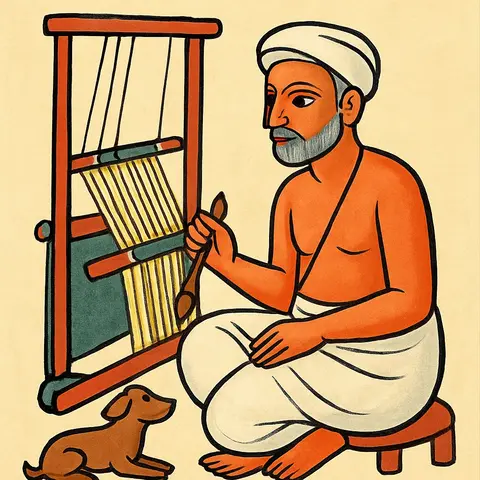 BhagatKabirਭਗਤ ਕਬੀਰ · कबीर
Signs
The turban
The dastar covers uncut hair (kesh, one of the five Ks). Not fashion, not an ethnic marker, but part of the faith. Boys wear a patka, Nihangs a tall blue dumalla.
The kara
A plain steel bracelet on the right wrist, the surest sign of a Sikh after the turban. A circle without end, a reminder before every act.
Nishan Sahib
The saffron flag on a cloth-wrapped pole, topped with the khanda: a gurdwara is visible from far away. The cloth is changed every Vaisakhi.
The kirpan
A small curved blade worn by the initiated: a promise to defend the weak, never a weapon of attack.
Ik Onkar
The first word of the Guru Granth Sahib: One Creator. Painted on gates, walls and the back of every taxi in Punjab.
The langar
A free meal for anyone who comes, eaten sitting in one row on the floor: prince and beggar, side by side. Volunteers cook, serve and wash up.
The chaur
The whisk waved over the Guru Granth Sahib is the honour once shown to kings: the book is treated as a sovereign.
Karah prasad
Warm sweet halwa of flour, ghee and sugar in equal parts, received in cupped hands on the way out. Take it; refusing is the only rudeness.
Inside a gurdwara
1. Nishan Sahib
The saffron flag at the gate; the golden dome behind it.
2. Shoes and water
Hand in your shoes at the counter, wash your feet in the shallow channel, take a head-scarf from the box if you have none.
3. The darbar hall
The Guru Granth Sahib under a canopy on its throne, an attendant with the whisk, musicians singing kirtan.
4. The bow and the floor
Kneel and touch your forehead to the floor, or simply bow; sit on the carpet (in many gurdwaras men on one side, women on the other), feet never pointing at the book. Leave when you like.
5. Karah prasad
Warm halwa in cupped hands on the way out.
6. The langar hall
Rows on the floor, a steel tray, roti and dal for everyone, and a sink where you may wash your own plate as seva.
How to behave
- Head covered for everyone, always; scarves lie in a box by the door.
- Shoes off, feet washed; no tobacco or alcohol, even in a bag.
- Sit on the floor, never with your feet towards the Guru Granth Sahib or your back to it.
- In the langar sit in the row you are shown; eat with the right hand; take only what you will finish.
- Photographs outside and on the walkway, yes; in the hall and of the book, no.
To experience
Mornings to mid-afternoon and evenings; roll roti or wash plates for half an hour
The place →Rehras, the evening prayer, in Chandni Chowk
The place →Where the tenth Guru camped in 1688; quiet in the morning
A gurdwara around a Mughal-era tank at Sikandra
Festivals
Also: Vaisakhi on 13 or 14 April, the birthday of the Khalsa; Hola Mohalla in Anandpur in March with mock battles of the Nihangs; Bandi Chhor Divas on the night of Diwali.
Words
One Creator. Truth is the Name. Creative Being; without fear, without hate; timeless, unborn, self-existent; known by the Guru's grace.
Air is the Guru, water the father, the earth the great mother; day and night are the two nurses in whose lap the whole world plays.
No one is my enemy, no one a stranger; I am at peace with all.
Ik Onkar
One Creator beyond all forms, which is why no image is worshipped in a gurdwara.
Naam, kirat, vand
Remember the Name, earn honestly, share what you earn: Guru Nanak's whole rule of life.
Seva
Selfless service (cooking, cleaning shoes, washing plates) as a spiritual practice, not charity.
Books: The Guru Granth Sahib (Japji, Sukhmani, the hymns of Kabir and Farid); the Dasam Granth; the Janam-sakhi lives of Nanak; the Rehat Maryada code.
Other faiths of India
 Buddhism in IndiaBorn under the Bodhi tree in Bihar, it lives on in Himalayan gompas and Tibetan quarters, and in the silence of a meditation hall.→
 Christianity in IndiaA tradition that traces itself to the apostle Thomas: the Syrian Christians of Kerala, the baroque of Goa, Mary in a sari and a star lantern on every veranda in December.→
 Islam in IndiaSufi dargahs and Thursday qawwali, Mughal mosques, and the lanes of the old city that stay awake all night in Ramadan.→
 Jainism in IndiaNon-violence taken to its limit, twenty-four teachers told apart by the sign at their feet, marble carved like lace, and dinner before sunset.→
 HinduismGods, symbols, the temple and key ideas→
The street with a guided walk, people cards with places on the map and festivals with dates.
Get India GO