 India GO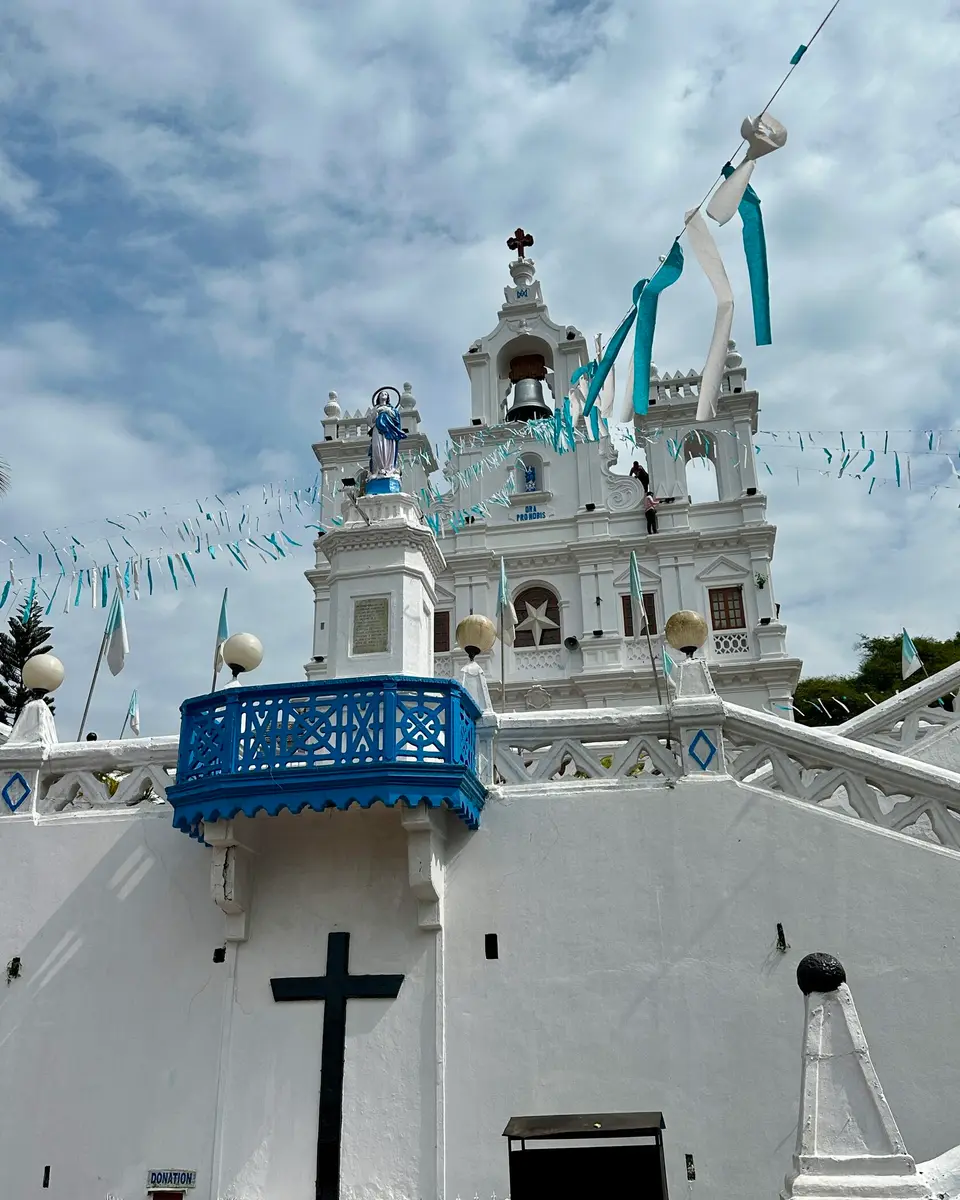
Panaji: Goa's capital in miniature
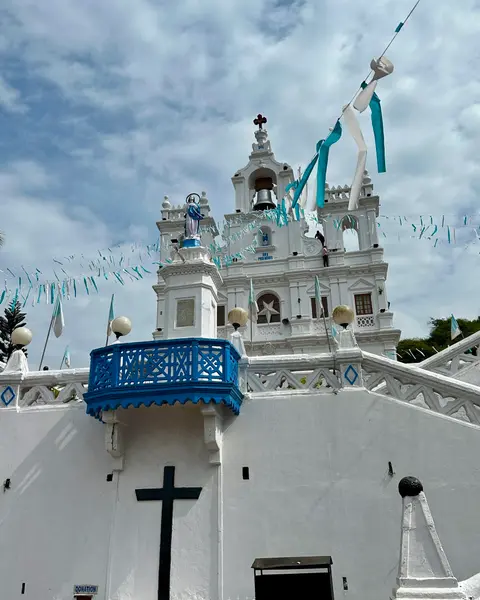
Panaji, also called Panjim, is a capital in miniature: a riverside town on the Mandovi estuary where the church sits on a white zigzag staircase, the market fills by eight in the morning and the casino boats light up the river at night. It is the headquarters of North Goa district and the easiest place on the coast to see everyday Goan life rather than a beach.
What to see

Where to eat

Shopping

A day in Panaji, in order
Start at the Church of Our Lady of the Immaculate Conception when it opens at 9:00: the double staircase of 78 steps is cooler and emptier early, and the church is free (dress modestly; it is a working parish). Across the road is the Garcia de Orta Garden, Panjim's municipal garden and probably the oldest in Goa, laid out in the second half of the 19th century. The column in its centre carried a bust of Vasco da Gama until 1968, when the national emblem replaced it.
From there walk to the Panjim Municipal Market, busiest from about 8:00 to 13:00: stacks of seasonal fruit, flower sellers threading garlands, spice stalls and jars of pickle. It is the sensible place for edible souvenirs. For lunch, Ritz Classic has served its thali since 1978; say "veg thali" at the door, because the default is fish, and expect to share a table.
Sit out the afternoon heat, then cross into Fontainhas, the old Latin Quarter next door. End on the Mandovi: Campal Gardens run west along the river from the edge of the old town, with benches facing the water, and this is where Panjim walks at sunset. Kala Academy, the state's main performing-arts venue, stands at the far end. Come back to the church after dark, when its facade is lit.
Panaji and the areas around it
Fontainhas is Panaji's own old quarter, a few minutes' walk from the church, and the two are best done on the same day. Old Goa, the former Portuguese capital, is about 10 km upriver, with direct buses from Panaji. Across the Mandovi, the red laterite Reis Magos Fort faces the town, and the beaches of Candolim and Calangute begin beyond it. Dona Paula, the headland where the Mandovi and the Zuari reach the sea, is about 7 km from the centre. Panaji has no beach of its own; people stay here for the town and go to the sand by day. See where to stay in Goa.
When to come and how to get here
Panaji works all year, since it is a town rather than a beach; the dry months from November to February are the most comfortable for walking. During the Goa Carnival (6–9 February 2027) one of the float parades runs through Panaji, towards Kala Academy and Campal; routes are set anew each year, see Goa Carnival, and book a room early.
From Dabolim airport a prepaid taxi to Panaji costs about ₹1,100–1,200, and the Kadamba airport shuttle about ₹150; from Mopa the shuttle is about ₹200. The railway station for Panaji is Karmali on the Konkan Railway. Panaji is one of the three bus hubs of Goa, with Mapusa and Margao, so beach-to-beach trips often change here. Uber and Ola do not work in Goa. Details in getting around Goa.
❓ FAQ
What is Panaji famous for?
The church on the white zigzag staircase, the riverside promenade on the Mandovi, the old Latin Quarter of Fontainhas, and the casino boats on the river at night.
Is Panaji in North or South Goa?
Panaji is the state capital and the headquarters of North Goa district, on the Mandovi estuary in Tiswadi.
Are Panaji and Panjim the same?
Yes. Panaji is the official name, Panjim the older Portuguese-era spelling still in everyday use.
Is Panaji worth visiting?
Yes, for a day at least: the church, the market, a thali lunch, Fontainhas and the riverfront at sunset show a side of Goa the beaches do not.
Facts checked: 12 October 2026. Prices and hours are approximate; check locally.
Other areas of Goa
In the app: the city's areas on the map, the places inside and a route.
Open in India GO