 India GO
Markets in Goa and how to shop them
Goa's markets split into two worlds. The famous ones in the north are weekly: Anjuna on Wednesdays (and only in season), Arpora on Saturday nights, Hilltop in Vagator on Sundays. The everyday municipal markets in Margão and Panjim run every morning, at the prices people pay who shop there every week. Plan the week around the first kind and buy your edible souvenirs at the second.


Which market on which day
The northern markets each run on one day a week, so check the day before planning a trip up the coast.
| Wednesday | Anjuna Flea Market, from morning until the light goes, in the tourist season (roughly late October to April). In the monsoon it disappears completely. |
| Saturday evening | Arpora Night Market: in the tourist season (roughly November to April): street food, clothes, souvenirs, live music and bars, a walk and dinner as much as shopping. |
| Sunday | Hilltop Market in Vagator: handmade clothes, jewellery, ceramics and home decor, often with live music and a food court. |
| Every morning | Margão Municipal Market, best stocked in the morning, with many stalls closed from about 13:00 to 16:00; Panjim Municipal Market, busiest from about 8:00 to 13:00, quieter late in the afternoon. |
Tourist markets or local markets
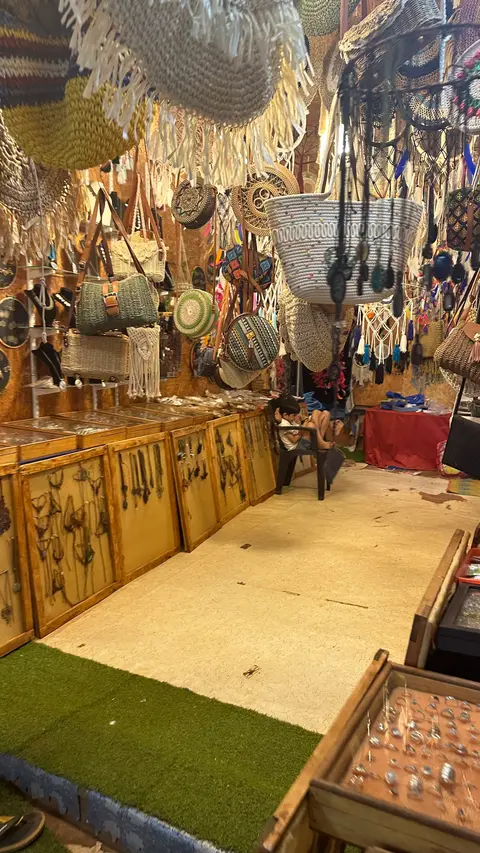
Anjuna is the one with a history. It began in the late 1960s and 70s, when travellers who had run out of money laid their own belongings on the ground above the south end of the beach. Today it runs several hundred stalls deep: cotton and printed clothing, silver, cones of spice, hammocks and crafts brought in from across India.
Hilltop and Arpora are evening and weekend outings as much as markets. At Hilltop prices are above average, but so is the quality of the handmade goods.
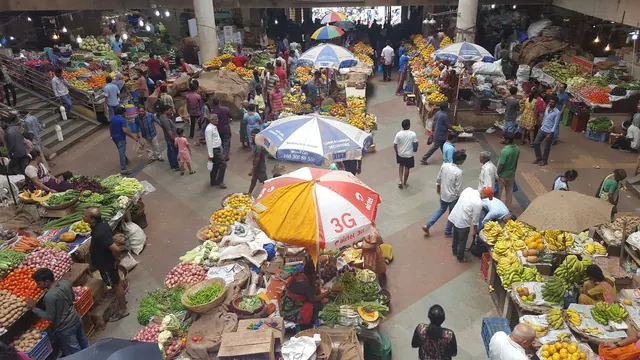
Margão and Panjim serve residents first. Margão's covered market fills the middle of the town and spills into the adjoining Gandhi Market, with lanes of spice sellers, cashews by the sack, kokum (a tart red fruit dried for summer coolers), tamarind, sweets, flowers, cloth and kitchenware. Panjim's market sells seasonal fruit and vegetables, garlands, spices, pickles and local snacks, and fits neatly at the end of a heritage walk through the capital.
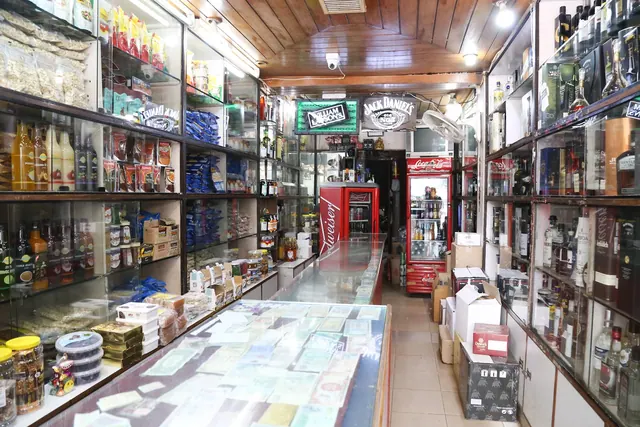
In the north, Mapusa is the practical hub: its market sells everyday goods, down to phone mounts for a scooter, and shows how ordinary Goan life works beyond the beach strip.
What to buy in Goa, and where
The souvenirs that could only have come from Goa, matched to the place that does them best.
Cashews
By the sack in Margão, or graded (whole, split, broken), drum-roasted or spiced at Zantye's, a Bicholim family firm trading since 1928. Zantye's costs more than a stall; the difference is freshness and grading.
Bebinca, kokum and spices
Bebinca, the layered Goan sweet, comes packed to travel at Zantye's; kokum, tamarind and whole spices are cheapest in the Margão and Panjim markets.
Azulejo tiles
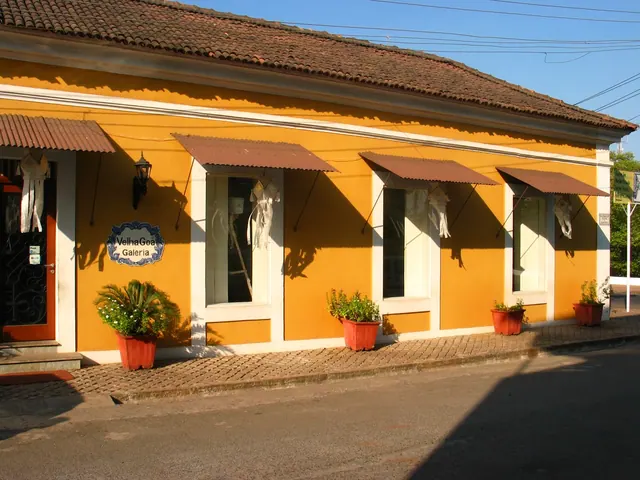
Hand-painted glazed tiles in the Portuguese tradition, at Velha Goa Galeria on Rua de Ourém in Fontainhas, Panjim, since 1999: tiles, tableware and made-to-order name plaques, from a few hundred rupees upwards.
Mario Miranda prints
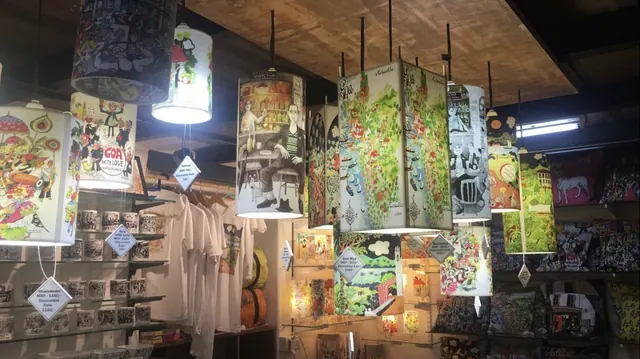
The cartoonist who drew Goa as it sees itself. Mario Gallery sells prints, tiles, mugs, bags and books, mostly approximately ₹400–1,500.
Indian design
Clothing, ceramics, jewellery and homeware from independent makers at Paper Boat Collective, in a century-old villa in Sangolda, away from the beach stalls.
Feni
Goa's own spirit, made only here. Cashew feni was registered as a Geographical Indication in 2009, and GI bottles carry a traceable hologram.
Bargaining
At Anjuna bargaining is expected, and there is no hurry in it: take your time, compare a few stalls, and walk on if the price does not move. The municipal markets are priced for regular customers. For a sense of everyday costs, see prices in Goa.
Bookshops worth a detour
Not markets, but the best place for books about Goa itself.
Literati Bookshop & Café, Calangute
New, second-hand and antiquarian books in an old Goan house with a garden cafe, down a lane off the Calangute strip; Bookstore of the Year at the 2014 Publishing Next awards.
Golden Heart Emporium, Margão
A family bookshop since 1977 off Abade Faria Road, strongest on illustrated books about Goan cooking, architecture and history.
The Dogears Bookshop, Margão
A small shop in old Margão run by a publisher, with shelves leaning towards Goan writers and books about Goa; easy to combine with the market.
Manali Bookshop, Anjuna
A large independent bookshop near the Starco junction, focused on philosophy, spiritual practice, psychology and alternative culture.
FAQ
Which is the best market in Goa?
For atmosphere and history, Anjuna Flea Market on Wednesdays in season. For local prices on spices, cashews and kokum, Margão Municipal Market in the morning.
Is Anjuna market open every day?
No. It runs on Wednesdays only, in the tourist season (roughly late October to April), from morning until dusk, and disappears in the monsoon.
What is Goa famous for to buy?
Cashews, bebinca, kokum and spices, hand-painted azulejo tiles, Mario Miranda prints and cashew feni with the GI hologram.
Is there a night market in Goa?
Yes: Arpora Night Market runs on Saturday evenings in the tourist season (roughly November to April), with street food, clothes, souvenirs and live music.
Where can I shop cheaply in Goa?
The municipal markets in Margão and Panjim are priced for people who shop there every week. At Anjuna, bargaining is expected.
Sources (6)
Facts checked: 8 October 2026. Prices and hours are approximate; check locally.
The full catalogue, hidden spots and districts on the map, plus “nearby” mode.
Open in India GO