 India GO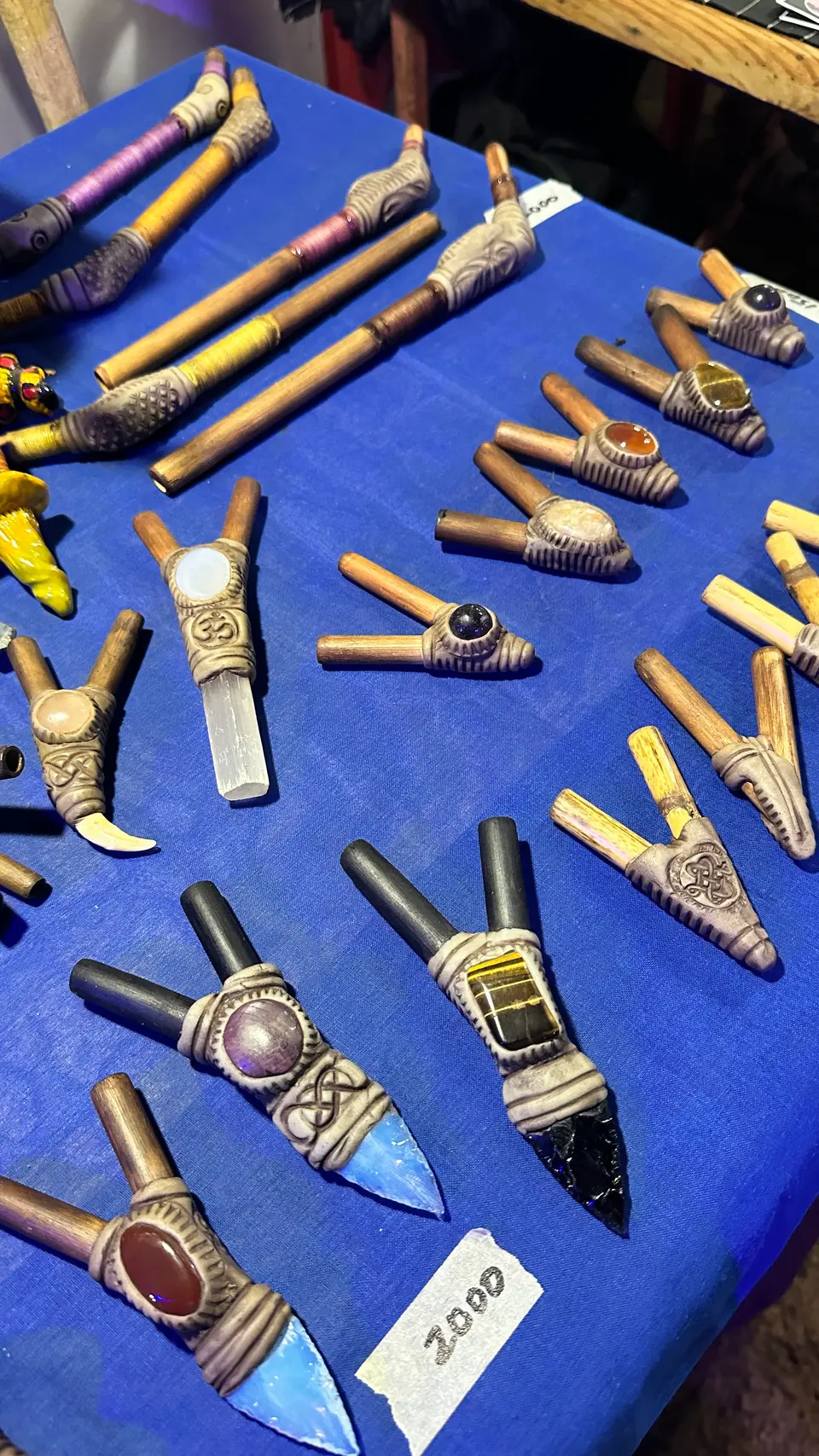
Anjuna Flea Market, Goa
Anjuna Flea Market is a Wednesday market: it runs once a week in the tourist season, roughly late October to April, from morning until the light goes, above the south end of Anjuna beach. In the monsoon it disappears completely. There is no ticket desk: you pay only for what you buy, after haggling.
The market began in the late 1960s and 70s, when travellers who had run out of money laid their own belongings on the ground above the south end of Anjuna beach. It now runs several hundred stalls deep (cotton and printed clothing, silver, cones of spice, hammocks, crafts carried in from across India) every Wednesday of the tourist season, roughly late October to April, from morning until the light goes. In the monsoon it disappears completely. Bargaining is expected here, and there is no hurry in it.
Wednesdays only, in season: the hippie-era market that never quite stopped
When the market runs
- Day: Wednesday only.
- Season: the tourist season, roughly late October to April. In the monsoon there is no market at all.
- Hours: from morning until the light goes; Goan press describes shoppers arriving from about 10:00 and stalls packing up by sunset. There is no ticket desk.
Outside the season the ground above the beach stands empty, so a trip in June or August finds nothing. If the market is the reason for a trip to the north, plan the week around a Wednesday, and check locally that it is running that week: it is a village market, and its season start depends on local decisions, not a fixed calendar.
From hippie blankets to several hundred stalls
The market began in the late 1960s and the 1970s, when travellers who had run out of money laid out their own belongings on the ground above the south end of Anjuna beach. Anjuna's first famous long-stayer, Eight Finger Eddie, put the mood of that time in one line: he turned up, liked it so much and simply wanted to stay.
The blankets turned into a weekly bazaar. Its history has not been calm: in 2000 the chief minister of Goa decided to ban the market over the drug trade there, then reversed the decision after villagers objected, on condition that they stay vigilant against drug dealing. That episode is the usual answer to the question of why the Anjuna market was once closed.
What you find there
Several hundred stalls run deep into the ground above the beach: cotton and block-printed clothing, silver jewellery, cones of spice, hammocks and crafts carried in from all over India. The mix is part of the point: the market is less a showcase of Goa than a meeting place for traders from the whole country.
Bargaining is expected, and there is no hurry in it. Start well below the first price, keep it friendly, and walk on if the number does not move: the same item usually turns up three stalls later.
 Practical notes
- Bring cash in small notes: bargaining is easier when you can pay the exact agreed price.
- Come in the first half of the day if you want to see the stalls before the crowd thickens; the market is busy and very photogenic, so ask before photographing a trader up close.
- The market sits by Anjuna Beach, so it pairs easily with an afternoon on the sand and the sunset over the sea.
❓ FAQ
Is Anjuna Flea Market open all days?
No. It runs on Wednesdays only, in the tourist season (roughly late October to April), from morning until dusk.
Is the market open in the monsoon?
No. In the monsoon the market disappears completely and returns with the next season.
Why was Anjuna Flea Market closed?
In 2000 Goa's chief minister decided to ban it over the drug trade, then reversed the decision after villagers objected, on condition that they stay vigilant against drug dealing.
Is there an entry fee?
No ticket is sold: it is an open-air market, and you pay only for what you buy.
Is Anjuna Flea Market worth visiting?
Yes, if you are in North Goa on a Wednesday in season: it is the hippie-era market that never quite stopped, with several hundred stalls and goods from all over India.