 India GO
Markets and shopping in Mysore
Mysore has one great old bazaar, Devaraja Market, and a handful of state-run shops and factories that sell the city's famous silk and sandalwood with a guarantee. Use the bazaar for flowers, spices, incense and a sense of prices; buy silk, sandalwood and inlay where the origin is certified.
What Mysore is known for
Several of the city's crafts carry a geographical indication (GI), a legal tag that ties a product to its place of origin.
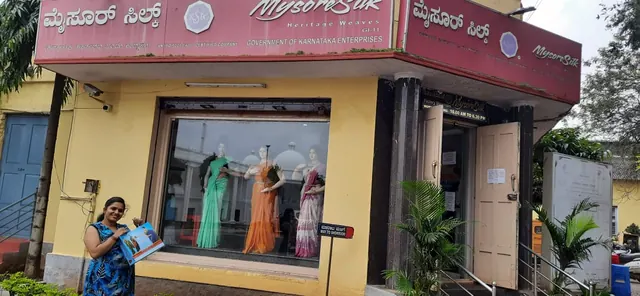
- Mysore silk: sari cloth woven at the mill of the state silk corporation, KSIC, with a gold zari (metallic thread) border. The name is GI-protected, so the genuine article comes with a KSIC hologram and a Silk Mark tag.
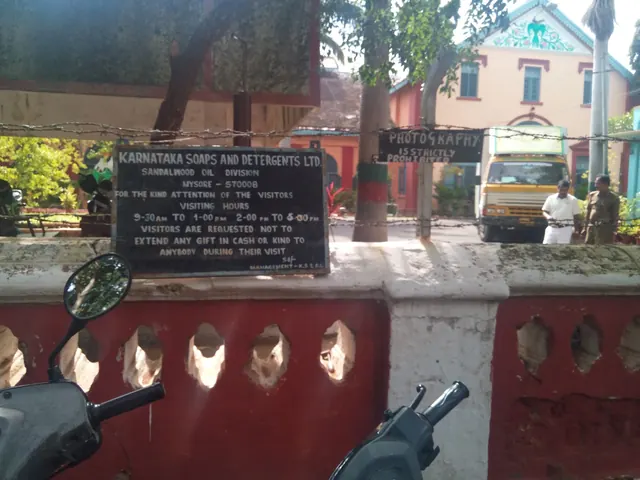
- Sandalwood: carvings, and the oil distilled from the same fragrant wood, along with the soap, talc and incense made from it. The government Sandalwood Oil Factory in Ashokapuram, founded in 1916, is where Mysore Sandal Soap began.
- Rosewood inlay: pale motifs set flush into dark rosewood, a GI-tagged Mysore speciality.
- Mysore paintings: traditional paintings finished in gold leaf.
- Smaller things: bronzes, lacquered Channapatna toys, incense and collectable dolls.
All of this is easy to fake and hard to judge on a street stall, so where you buy matters as much as what.
Devaraja Market: the bazaar
Devaraja Market is one of the oldest markets in the city, right in the centre and an easy walk from the palace. It is a working bazaar rather than a souvenir arcade: mounds of flowers for garlands, pyramids of kumkum (the coloured powder used for the forehead mark at worship) in every shade, spices, fruit, bananas and incense sticks. Noisy, colourful and very photogenic.
It is also the place to price out sandalwood and souvenirs: ask at a few stalls, then compare with the fixed prices at the state emporium before buying anything expensive. On the walk from the palace, Geetha Book House at KR Circle, a bookshop and Kannada publisher, is worth a look.
Where to buy the real thing
State shops cost a little more than the bazaar. In return the price is fixed, the origin is guaranteed and the artisans are paid properly.
Silk: the factory or the KR Circle showroom
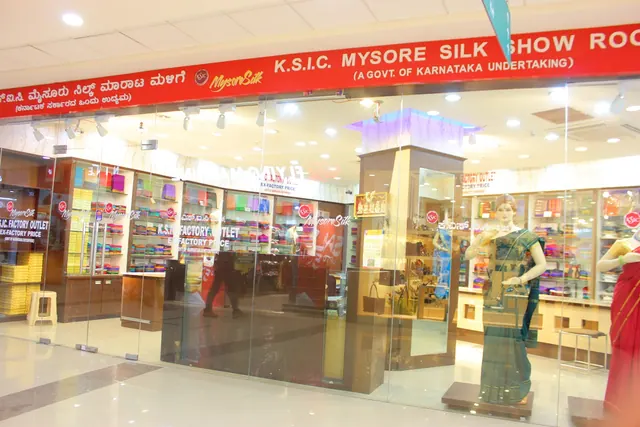
At the KSIC Silk Factory on Mananthavadi Road you can walk onto the floor free of charge on weekdays (roughly 10:00–15:30, with a lunch break) and watch the zari border take shape on the looms. The showroom next door (10:00–19:00) is the most reliable place in the city for a GI-tagged sari or scarf. Short on time: the KSIC showroom at KR Circle, by the city bus stand, sells the same certified cloth at fixed prices.
Sandalwood: the factory outlet in Ashokapuram
The outlet at the government Sandalwood Oil Factory carries the full KS&DL range (oil, soap, talc, incense) with no risk of fakes. Factory tours were a classic Mysore outing for decades, but since the pandemic access to the production floor has been on and off, so check locally before going for the tour; the shop is the reliable part.
All the crafts in one place: Cauvery Emporium
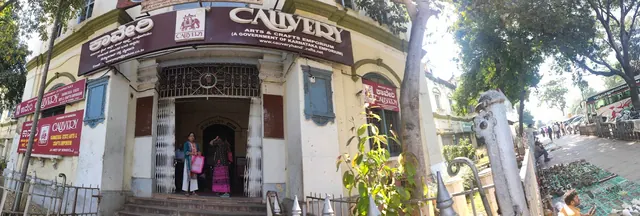
Cauvery Handicrafts Emporium on Sayyaji Rao Road is the flagship of the state crafts corporation: sandalwood carvings and oil, rosewood inlay, gold-leaf Mysore paintings, bronzes, Channapatna toys, incense and silk, all exactly what the label says.
Dolls and paintings: Ramsons, opposite the zoo
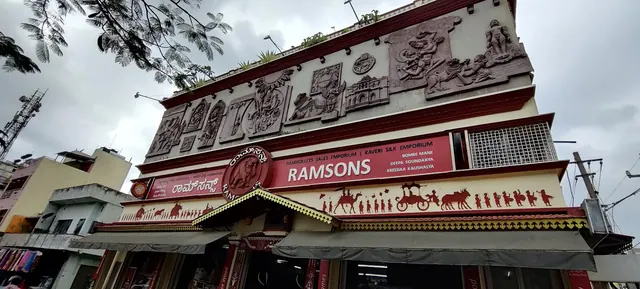
Trading since 1970 and one of the city's big crafts houses, strongest in Mysore paintings, rosewood inlay, bronzes and collectable dolls. The Kaladevi Doll Museum sits beside the counters.
From the maker: the Metagalli artisan colony
At the state Multi Crafts Complex in Karakushala Nagar, Metagalli, rosewood inlay and sandalwood carving are made in the artisans' workshop-homes and sold at the artisan's price; there is no visitor ticket. Call the complex's project officer first, as entry to each unit is at the artisans' discretion, and wear closed shoes. More in workshops in Mysore.
Before you buy
A few habits that save money and doubt.
- Check the silk tags — Genuine Mysore silk carries a KSIC hologram and a Silk Mark tag. Without them, you are trusting the shopkeeper's word.
- Price in the bazaar, buy in the state shop — Use Devaraja Market to learn what sandalwood and souvenirs go for, then decide whether the certified version is worth the small premium.
- Go to the silk factory on a weekday — The factory floor opens to visitors on weekdays only; the showroom keeps longer hours.
FAQ
What is Mysore famous for shopping?
Mysore silk, sandalwood (carvings, oil, soap, incense), rosewood inlay and gold-leaf Mysore paintings. Silk and inlay carry a geographical indication.
What is Devaraja Market famous for?
Flowers for garlands, heaps of coloured kumkum powder, spices, fruit, bananas and incense. It is one of the oldest markets in the city and a good place to compare sandalwood and souvenir prices.
Where can I buy genuine Mysore silk?
At the KSIC factory showroom on Mananthavadi Road or the KSIC showroom at KR Circle. Every piece there carries the KSIC hologram and a Silk Mark tag.
Can I visit the Mysore silk factory?
Yes. On weekdays, roughly 10:00–15:30 with a lunch break, visitors can walk onto the factory floor free of charge. There is no formal guided tour.
Where should I buy sandalwood in Mysore?
The outlet at the government Sandalwood Oil Factory in Ashokapuram for oil, soap and incense, and Cauvery Handicrafts Emporium for carvings. Both are state-run, so there is no risk of fakes, and Cauvery's prices are fixed.
Sources (4)
Facts checked: 8 October 2026. Prices and hours are approximate; check locally.
The full catalogue, hidden spots and districts on the map, plus “nearby” mode.
Open in India GO