 India GO
International Lavi Fair: wool, pine nuts and an old treaty with Tibet
Kinnauri wool and pine nuts on a trade ground born of an old treaty with Tibet
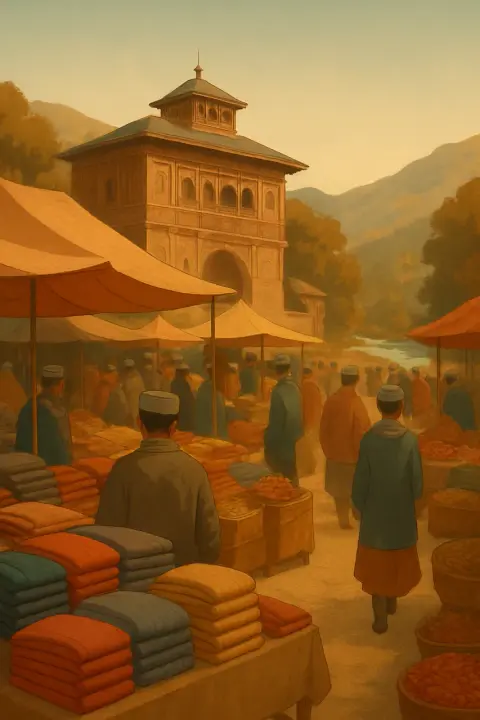
The International Lavi Fair is a market that has outlasted the trade that created it. It goes back to a trade treaty of 1681 between the princely state of Rampur Bushahr and Tibet, and although the Tibet trade is long gone, every November Rampur Bushahr, the gateway town to Kinnaur in Himachal Pradesh, still fills with stalls of Kinnauri wool, pashmina, handwoven tweeds, chilgoza pine nuts and Kinnauri horses. Dates: 11–14 November 2026 (expected), the days of the cultural evenings; trading carries on through the month.
The dates are fixed; the Lavi fair committee, chaired by the Shimla district administration, announces the programme in late October.
The legend

In the late 17th century Raja Kehri Singh of Bushahr and the Lhasa government of the Fifth Dalai Lama agreed on tax-free trade.

Tibetan horses and Bushahri swords were exchanged as a token of friendship. Kinnaur still says the pact holds until the Sutlej runs dry and crows turn white.
The Rampur fair grew out of the treaty: traders from Tibet, Afghanistan and Uzbekistan brought wool, pashmina and dried fruit.
Customs
Market stalls
Trading runs all through November. Wool and dried fruit were long exchanged here for salt, jaggery and other provisions.
Cultural nights
From 11 to 14 November the fair holds its cultural nights, the main event of the fair.
Words of the festival
lavi
From loe, a sheet of woollen cloth; it can also mean the shearing of sheep.
What you find at the fair
Himachal Tourism lists the goods: Kinnauri woollens of every kind (garments, raw wool, pashmina, shawls, handwoven tweeds), metalware, pottery and jewellery, crisp apples, and dry fruit from the hills, especially chilgoza pine nuts, walnuts, almonds and dried apricots. Kinnauri horses are still bought and sold, and the horse lines are best seen in the morning.
The main traders set up at Paat Bungalow, smaller stalls line the national highway, and the evening cultural programmes, the official heart of the fair, are held at the PGSS Boys' School. Himachal Tourism describes the evenings as music, plays and shows by popular singers.
A fair born of a treaty
In the late 17th century Raja Kehri Singh of Bushahr made a pact with the Tibetan government in Lhasa, then led by the Fifth Dalai Lama: Bushahri and Tibetan merchants would trade on each other's territory without paying tax. Tibetan horses and Bushahri swords were exchanged as a sign of friendship, and Kinnaur still repeats the old formula that the treaty would hold until the Sutlej runs dry and crows turn white.
Rampur became a stop on the trade routes to Kinnaur, Tibet, Ladakh and Afghanistan. Traders from Tibet, Afghanistan and Uzbekistan arrived with horses, wool, pashmina and dried fruit, and left with salt, jaggery and other provisions; the salt came from Gumma in Mandi district. The name lavi comes from loe, a sheet of woollen cloth, and can also mean the shearing of sheep.
Planning a visit
- Dates: the fair starts on the same day in mid-November every year. The Lavi fair committee, chaired by the Shimla district administration, announces the full programme in late October.
- When to go: any of the cultural days; come in the morning for the horses and stalls, and stay for an evening programme.
- On the way: Rampur Bushahr is on the road from Shimla into Kinnaur, so the fair fits a trip into Kinnaur. The Bhimakali temple at Sarahan is about 40 km away.
- For foreign nationals: parts of India, including some border areas, need special permits for foreign visitors; check the current rules before going beyond Rampur.
FAQ
When is the International Lavi Fair?
Next: 11–14 November 2026 (expected), the days of the cultural programme. It starts on the same mid-November day every year, and trading continues through November.
When was the Lavi Fair started?
It grew out of a trade treaty between the state of Bushahr and Tibet; Himachal Tourism dates the treaty to 1681, other accounts to 1679–1684.
Where is the Lavi Fair held?
In Rampur Bushahr, Shimla district, Himachal Pradesh, the gateway town to Kinnaur.
What can I buy at the Lavi Fair?
Kinnauri woollens, pashmina, shawls and handwoven tweeds, metalware, pottery, jewellery, apples, chilgoza, walnuts, almonds and dried apricots; Kinnauri horses are traded too.
What does Lavi mean?
It comes from loe, a sheet of woollen cloth, and can also mean the shearing of sheep, a reminder that the fair was always about wool.
Sources (3)
Facts checked: 21 October 2026. Prices and hours are approximate; check locally.