 India GO
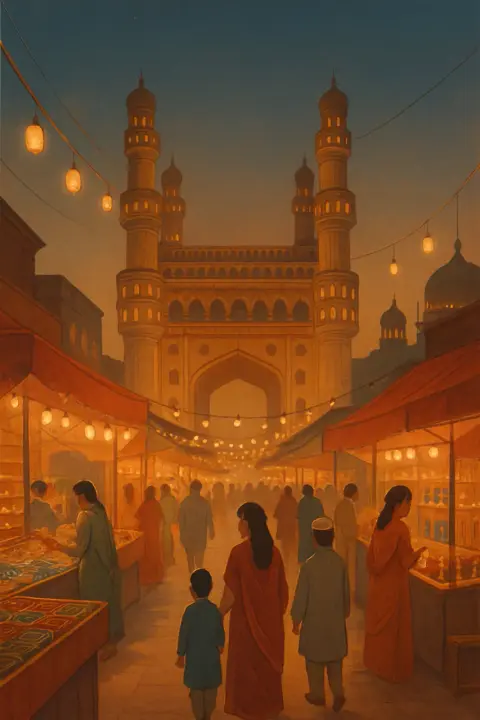
Eid al-Adha in Delhi: the morning at Jama Masjid and the day after
A festival of devotion, charity and community
In Delhi, Eid al-Adha (Bakrid) is a morning in Old Delhi: thousands pray at once in the courtyard of the Jama Masjid early in the day, then the lanes around it fill with families and sweet shops selling sewaiyan. The next one falls on 17 May 2027, but the date rests on the moon sighting and may move by a day. What the festival means is on the Eid al-Adha page; here is how to spend the day in Delhi.
In Old Delhi Eid al-Adha begins at dawn in the courtyard of the Jama Masjid, where thousands pray at once, and carries on through the day in the lanes and sweet shops around it.
Where to watch
Jama Masjid: Old Delhi's main Eid congregation, early in the morning. Working mosque, no ticket for prayer; visits pause during prayers. Jama Masjid metro station (Violet Line), a short walk to Gate No. 1.
Fatehpuri Masjid: the mosque at the western end of Chandni Chowk, with its own Eid prayer. Chandni Chowk metro station, Yellow Line.
Matia Mahal Road and Bazar Chitli Qabar: the lanes opposite Gate No. 1 that carry the Ramadan food nights; on Eid their sweet shops sell sewaiyan (fine vermicelli for sheer khurma) and phirni. Public streets, free to walk.
Hazrat Nizamuddin Dargah: evening qawwali in the dargah courtyard. Nizamuddin Basti, near JLN Stadium metro station.
Free viewing
- The steps of Jama Masjid's Gate No. 1 as the prayer ends
- Matia Mahal Road and Bazar Chitli Qabar through the day
- The evening qawwali at Hazrat Nizamuddin Dargah (heads covered)
The morning at Jama Masjid
The Jama Masjid, completed under Shah Jahan in 1656, has a courtyard that holds some 25,000 people, and on Eid morning it hosts Old Delhi's main congregation; the prayer has been held around 6:00. The prayer is for worshippers: visits pause while it lasts, and the place for anyone else is the steps of Gate No. 1, opposite Matia Mahal Road.
When the prayer ends, people leave down the steps greeting each other with "Eid Mubarak", and this is the moment to be there, so come early. When the mosque reopens to sightseers the usual terms are back: modest dress, shoes left at the gate, and an entry fee for foreign visitors. See Jama Masjid.
After the prayer: the lanes
From Gate No. 1 cross into Matia Mahal Road and Bazar Chitli Qabar, the lanes that carry the Ramadan food nights. On Eid their sweet shops sell sewaiyan (fine vermicelli for sheer khurma, the festive milk sweet) and phirni, a rice pudding. Sheer khurma is vegetarian; much else in these lanes is not.
Many shops and eateries shut for the morning prayer and the family visits that follow. Livestock markets are held in the days before Bakrid; if you would rather not see them, keep to the main streets around the mosque.
Evening: Nizamuddin Dargah
The second place for the day is across the city: Hazrat Nizamuddin Dargah, the shrine of the 13th–14th-century Sufi master in Nizamuddin Basti, where qawwali (Sufi devotional song) is sung in the courtyard. Its regular qawwali is on Thursday evenings after sunset; Eid does not always fall on a Thursday, so ask locally whether there is singing that evening. Heads are covered, shoes left outside, dress modest. The nearest metro is JLN Stadium.
Planning around the moon
Bakrid in Delhi needs little planning, but the timing is tight.
- Keep a day of slack — The date is confirmed only by the moon sighting about ten days before and can move by a day. Arrive the day before the expected date and keep the day after free.
- Sleep near the mosque — The first metro trains leave little margin before a 6:00 prayer. Old Delhi, Chandni Chowk or Daryaganj let you walk to Gate No. 1; Connaught Place or Paharganj suit the rest of the day.
- Expect heat — In these years Bakrid falls in May, Delhi's hot low season. The early morning is the cooler part of the day; carry water for the lanes.
- Book trains, not rooms — Rooms need no special lead time. Trains fill as families travel for Eid, so book about a month ahead.
FAQ
When is Eid al-Adha in Delhi?
On 17 May 2027, the date on the central government holiday list for Delhi. The date depends on the moon sighting and may move by a day.
What time is the Eid prayer at Jama Masjid?
Early, around 6:00. Check the time locally on the eve of Eid.
Can non-Muslims visit Jama Masjid on Eid?
Not during the prayer, when visits pause. Watch from the steps of Gate No. 1 as the congregation leaves, and go in once the mosque reopens, dressed modestly.
Is Bakrid a holiday in Delhi?
Yes. Id-ul-Zuha (Bakrid) is a gazetted holiday for central government offices in Delhi; this time it falls on 17 May 2027. Many shops in Old Delhi also shut for the morning.
What should I eat on Eid in Old Delhi?
Sheer khurma made with sewaiyan, which is vegetarian, and phirni from the sweet shops on Matia Mahal Road and Bazar Chitli Qabar.
Facts checked: 8 October 2026. Prices and hours are approximate; check locally.