 India GO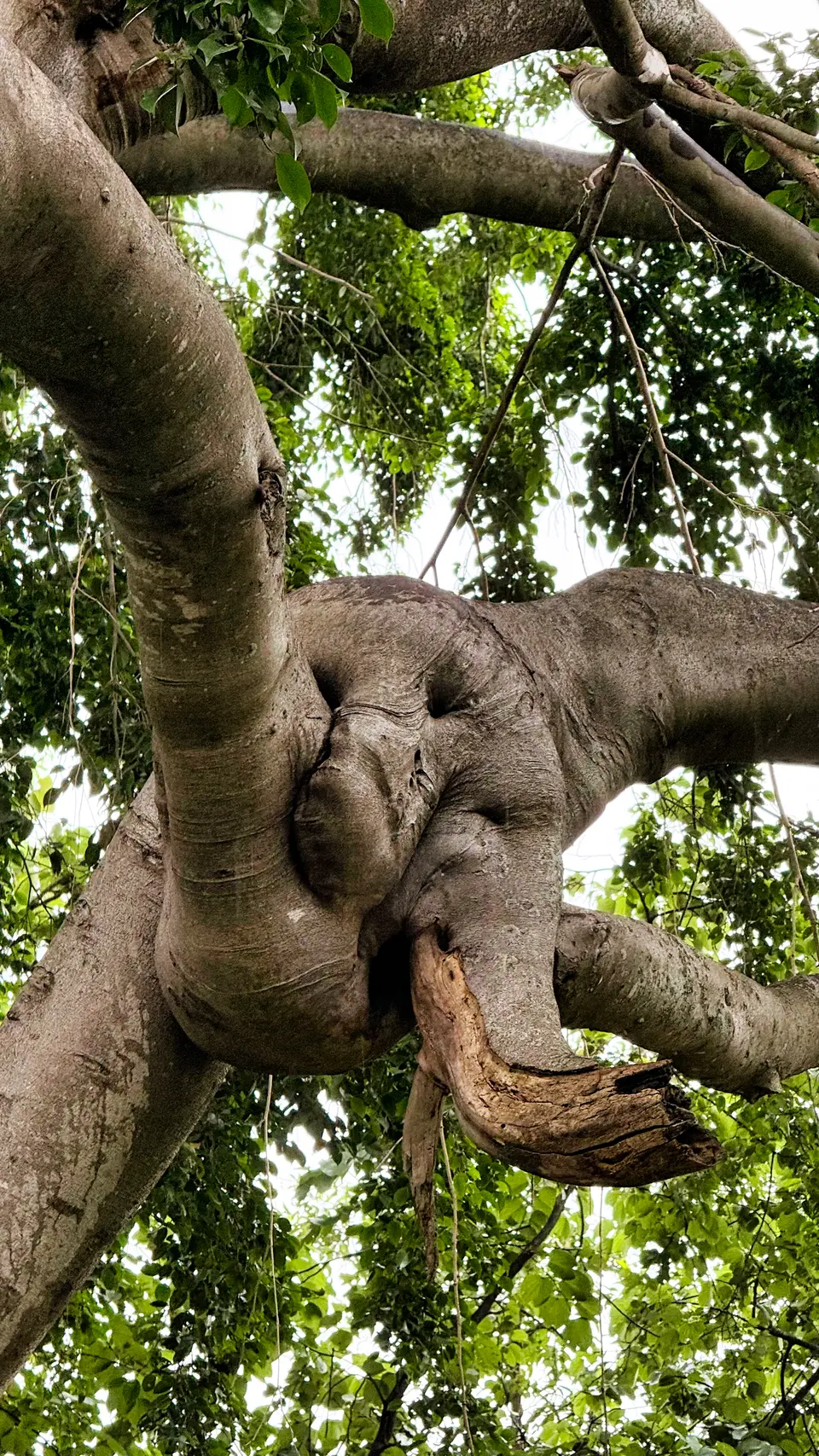
Lalbagh Botanical Garden, Bangalore
Lalbagh is open to the public from 9:00 to 18:00, and the ticket is ₹25 for anyone over 12; children under 12 go in free. Early risers get it for nothing: from 5:00 to 9:00 the gates belong to walkers and no fee is listed. Inside are 240 acres of old trees, a Victorian glasshouse and a rock about three billion years old, with Lalbagh metro station on the Green Line.
Lalbagh is far more than a park: it's a natural and historical gem in central Bengaluru. One of India's oldest botanical gardens, it was established in the 18th century by Mysore's ruler Haidar Ali and significantly expanded by his son Tipu Sultan. The name "Lalbagh" means "Red Garden," named after the roses once cultivated here in abundance.
Today, the garden spans over 240 acres and houses one of Asia's largest collections of tropical plants. More than 1,800 species of trees and plants grow here, including rare specimens brought from Persia, Africa, Australia, and America. Many trees are giants, over 100 years old.
One of the main attractions is the glass greenhouse, built in 1889 and inspired by London's Crystal Palace. This elegant Victorian structure of iron and glass hosts the famous flower shows held twice yearly, on January 26 (Republic Day) and August 15 (Independence Day). During these events, the garden transforms into a floral wonderland with displays featuring living plants arranged into architectural monuments, animals, historical scenes, and mythological tableaus.
Beyond the greenhouse and botanical diversity, Lalbagh features:
- Lalbagh Rock: an outcrop of Peninsular Gneiss around 3 billion years old, declared a National Geological Monument, with one of Kempegowda's four watchtowers standing on top of it. - Lakes and ponds inhabited by waterfowl, turtles, and fish. - A bonsai garden, rose garden, palm avenue, and "flower clock" (a mechanical composition of plants that tells time).
Practical tip. At the entrance and along the main avenues you'll see electric buggies and golf carts offering official guided rides through the park. Around ₹100–200 per person for a 30–40-minute loop with brief stops at the highlights. A good option if it's hot, you don't feel like covering 240 acres on foot, or you just want to get oriented before exploring on your own.
The garden shuts in the evening and the last entry is earlier still (around 18:30), so an evening walk needs an early start. It's one of the city's best places to truly escape the traffic and noise, listening to birdsong and walking beneath the shade of century-old trees.
Tickets
Timings and entry fee: two gardens in one day
Lalbagh keeps two schedules, and knowing them saves money.
- Walkers' hours: 5:00–9:00 and 16:00–19:00. These hours are meant for walkers, and the Horticulture Department lists no fee for them.
- Visitors' hours: 9:00–18:00, ₹25 per person over 12. The rate is the same for everyone, with no separate price for foreign citizens.
The morning slot is the one to aim for: it is cooler, and you can walk the paths before paid hours begin. At midday the shade of the avenues is the most comfortable place to be.
The evening walkers' window runs to 19:00, later than visitors' hours, but treat it as a walk, not a sightseeing session: plan anything you want to see inside (the Glass House, the bonsai garden) for daylight hours.
What to see in Lalbagh
Lalbagh is less a park than a living archive. Hyder Ali, the ruler of Mysore, commissioned it in 1760; his son Tipu Sultan expanded it. The Horticulture Department now counts about 2,150 plant species here.
- The Glass House. Iron and glass on the model of London's Crystal Palace, put up in 1889–90. It is the stage for the two flower shows each year, and between shows a cool, echoing hall.
- Lalbagh Rock. A bare hump of Peninsular Gneiss about 3 billion years old, protected as a National Geological Monument. On top stands one of the four Kempegowda watchtowers.
- The old trees. Many specimens carry labels. Three mango trees near the fernery date back about 250 years, to the time of Hyder Ali and Tipu Sultan. Look for Krishna's butter-cup fig, whose leaves form small pouches at the base: legend says Krishna once hid stolen butter in one.
- The bonsai garden. Two and a half acres and about 700 bonsai, aged from one to 35 years.
- The floral clock and rose garden. The floral clock stands near the main gate.
- Lalbagh Lake. Waterfowl, turtles and fish, and noisy roosts in the old trees near the lake.
👣 How to get to Lalbagh
The garden is in the south of central Bengaluru.
- By metro
Lalbagh station is on the Green Line of Namma Metro.
- Pick your gate
There are four numbered gates: 1 and 2 on the north side, 3 on the east, 4 on the west. Agree the gate number with your driver so you are not dropped on the far side of 240 acres.
- Getting around inside
Electric buggies wait at the entrance and on the main avenues and do a 30–40-minute loop with short stops for roughly ₹100–200 per person. The price is not published officially, so ask before you sit down.
Best time to visit
Bengaluru sits on a plateau and stays mild all year, so the real choice is the hour and the date rather than the season.
Hour: morning or after 16:00 for a cooler walk. Midday is for the Glass House and the shade.
Flower shows: held in the weeks of Republic Day (26 January) and Independence Day (15 August). The Glass House fills with displays built from living plants, monuments and mythological scenes made of flowers. Show tickets and rules are set separately each year and differ from the ordinary ones, so check them before you go.
February: several of the very large old trees are in full flower.
 A small plan for a first visit
Come in during the morning walkers' hours, climb Lalbagh Rock while it is still cool, walk down past the lake, then see the Glass House and the bonsai garden. From 9:00 visitors' hours apply, with the ₹25 ticket for anyone over 12.
❓ FAQ
What is the entry fee for Lalbagh Botanical Garden?
₹25 per person over 12 years during visitors' hours, 9:00–18:00. Children under 12 enter free, and no fee is listed for the walkers' hours.
What are Lalbagh's timings?
Visitors' hours are 9:00–18:00 every day. Walkers' hours are 5:00–9:00 and 16:00–19:00.
Can I enter Lalbagh for free?
Yes, in the morning walkers' hours from 5:00 to 9:00, for which the Horticulture Department lists no fee. Children under 12 are free at any time.
Is there a different ticket price for foreigners?
No. The ₹25 ticket is the same for everyone over 12.
What is special about Lalbagh?
It is one of India's oldest botanical gardens, begun by Hyder Ali in 1760, with a glasshouse of 1889–90, about 2,150 plant species and a rock formation some 3 billion years old.
Which metro station is closest to Lalbagh?
Lalbagh station on the Green Line of Namma Metro.
When is the Lalbagh flower show?
Twice a year, in the weeks of Republic Day (26 January) and Independence Day (15 August).