 India GO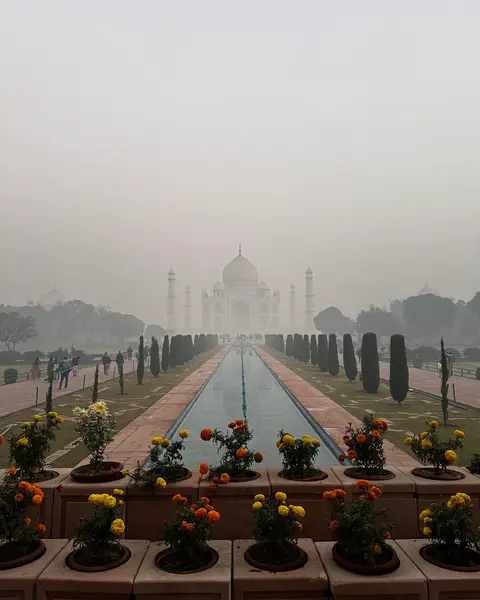
Agra
Taj Mahal
Entry₹1100
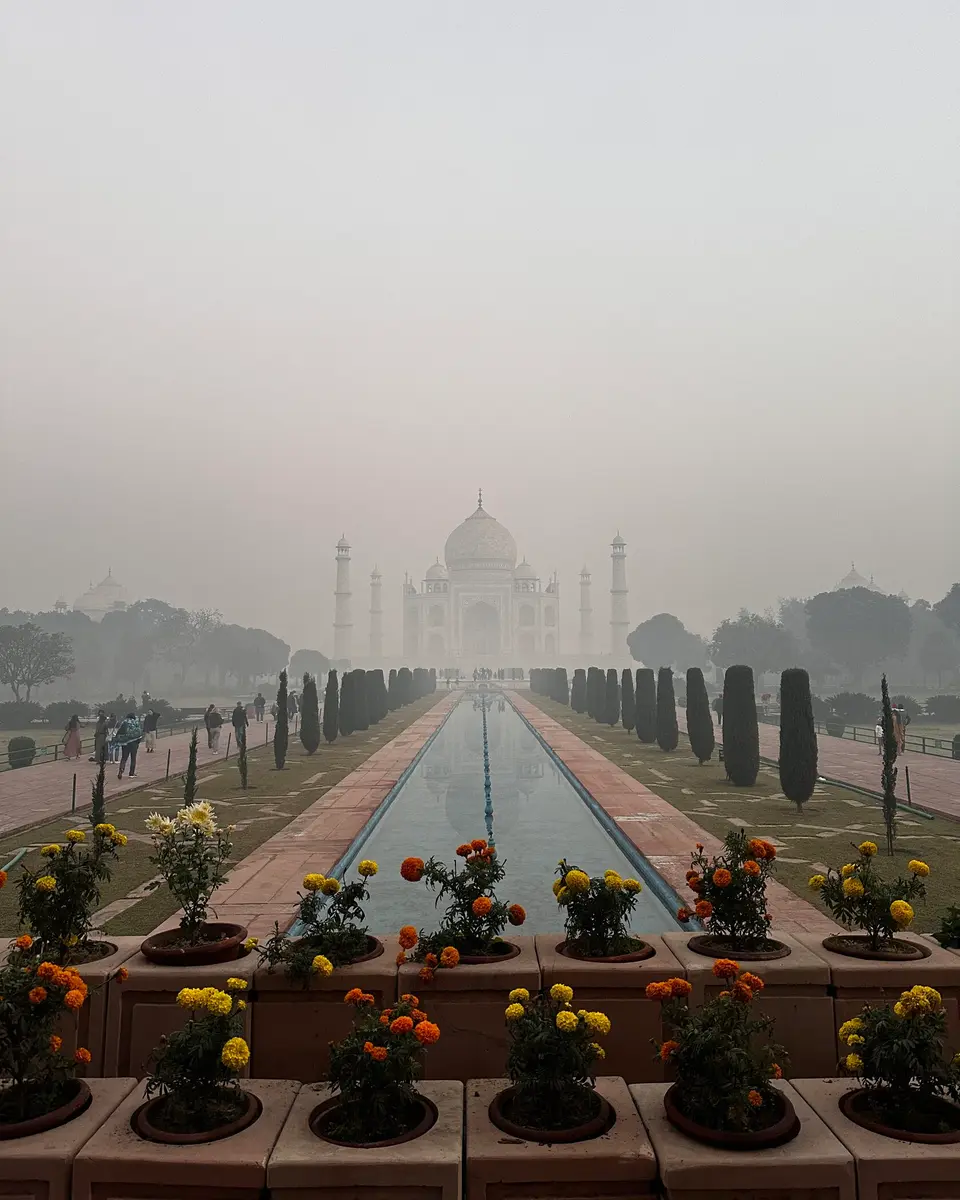
The Taj Mahal is a pure-white marble mausoleum that the emperor Shah Jahan built in memory of his wife, Mumtaz Mahal, who died in childbirth. Construction ran from roughly 1632 to 1653, and the result became the pinnacle of Mughal architecture and one of the New Seven Wonders of the World (a UNESCO site).
The Taj's magic lies in its material and proportions. The white marble shifts hue through the day: pinkish at dawn, dazzling white at midday, warm at sunset. Up close you see the real wonder, parchin kari (pietra dura): the finest inlay of semi-precious stones into the marble, forming floral patterns.
Practical information:
- There are separate queues for foreigners and locals; the foreigner ticket costs more, but the line is usually faster.
- It's best to buy tickets online in advance to skip the ticket counter.
- You can't bring in food, tripods, or large bags; there's a security check.
- During the full moon there are rare night viewing sessions (a few days each month).
The whole reason people come to Agra
Tickets
Entry · Indian citizens₹50
Entry · SAARC citizens₹540
Entry · Foreign visitors₹1100
Entry · ChildrenFreeunder 15
main mausoleum₹200
Before you go
🚁 No food, tripods or drones🚪 No re-entry